Wondering what “luxury” really means in Boston right now? In this market, the answer is not as simple as a single price tag. If you are buying or selling at the high end, you need to understand how Boston’s luxury segment behaves differently, where demand is strongest, and why pricing and presentation matter so much. Let’s dive in.
What Defines Luxury in Boston
In Boston, luxury is best understood as a top-tier slice of the market, not a fixed number. Zillow defines luxury as the top 5% of home values in a metro area, and Boston.com reported that metro Boston’s typical luxury home value was $2.698 million in June 2024 and had surpassed $3 million by August 2025.
That wide lens is helpful, but Boston luxury is also very local. A property’s value, buyer pool, and pace of sale can shift dramatically based on the exact neighborhood, building, street, and level of finish.

Where Boston Luxury Is Concentrated
Several Boston neighborhoods consistently stand out in the luxury conversation. According to Boston.com’s condo market update, Back Bay, Beacon Hill, South End, and the Seaport are among the city’s key blue-chip condo areas.
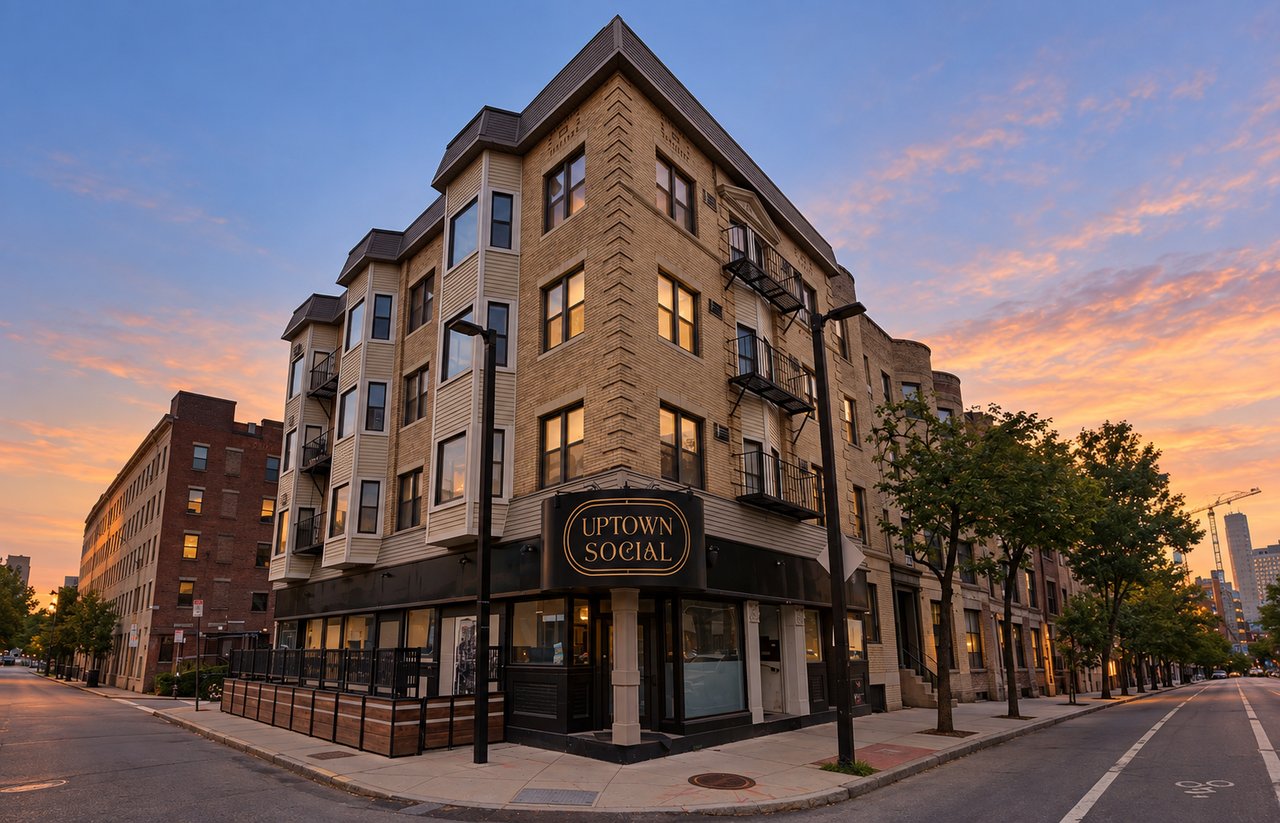
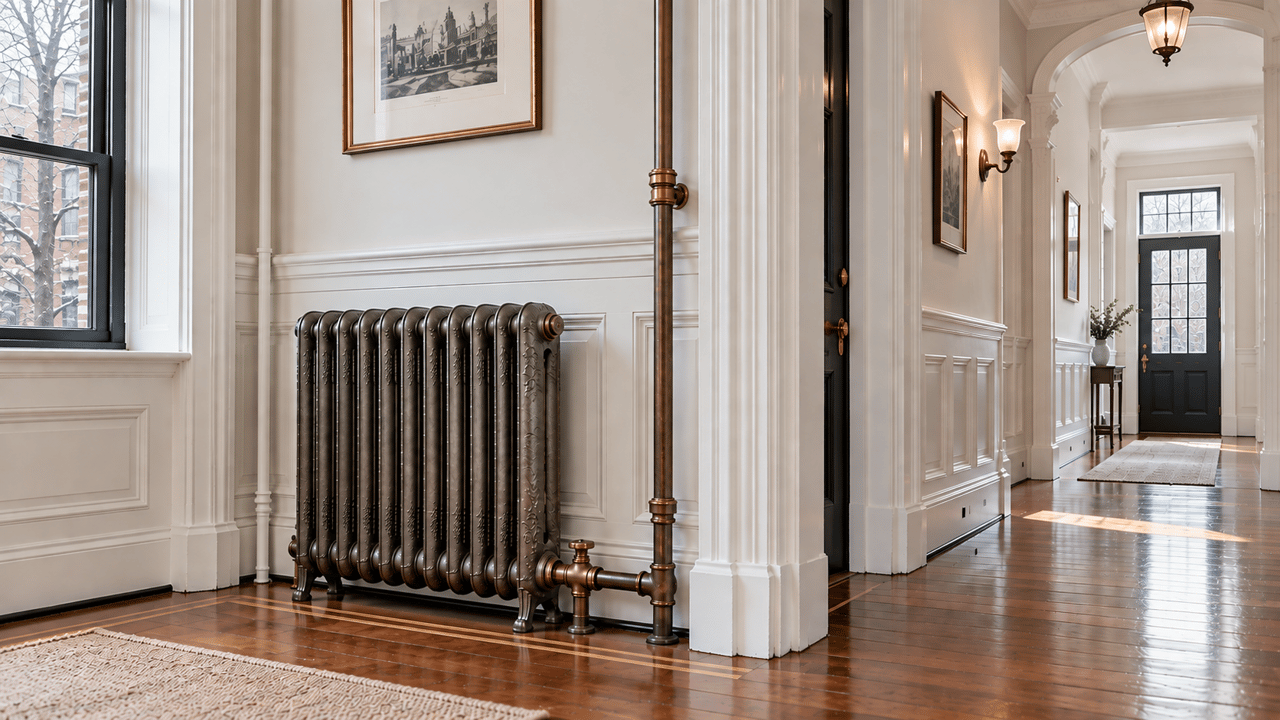
These locations offer a mix of housing types that attract high-end buyers, including historic brownstones, townhouses, penthouses, and full-service high-rise residences. Features such as elevators, garage parking, roof decks, gardens, and concierge-style amenities often play a major role in value at the upper end.
At the very top of the market, Boston.com’s 2026 luxury feature noted that Back Bay and Beacon Hill are especially strong in the $10 million-plus range. That reinforces an important point: Boston luxury is not one market. It is a collection of micro-markets.
How Luxury Differs From Boston’s Broader Market
Boston’s overall housing market looks fairly balanced compared with the intense conditions many buyers remember from prior years. Realtor.com’s March 2026 Boston snapshot showed a citywide median listing price of $895,000, about 1,300 homes for sale, 42 median days on market, and homes selling for roughly 98% of asking on average.
Luxury tells a different story. While the broader market appeared more measured, Boston luxury values were still rising 5.1% year over year in Zillow’s 2025 reporting, as summarized by Boston.com. That means upper-tier demand can stay resilient even when the citywide median suggests a calmer market.
Luxury buyers and sellers also tend to respond to a different set of pressures. At the high end, financing is often less central because many buyers can pay cash. That can help certain standout properties move quickly, while others sit longer if they miss the mark on price, condition, or exposure.

Why Boston Luxury Is So Block by Block
If you are trying to read the luxury market from headlines alone, Boston can be misleading. Neighborhood-level data shows that upper-end conditions do not move in sync.
In March 2026, Realtor.com reported that Back Bay had a median listing price of $2.25 million, 58 days on market, and 106 active listings. Beacon Hill posted a median listing price of $3.2 million, 55 days on market, and 56 active listings. South Boston Waterfront came in at $1.35 million with 43 days on market and 93 active listings.
The year-over-year shifts were even more telling. Back Bay’s median listing price was down 6.05%, while Beacon Hill’s was up 16.36%. For buyers and sellers alike, that is a reminder that Boston luxury is intensely location-specific, and strategy should reflect the exact submarket, not just the city as a whole.
What Recent Activity Says About Demand
Regional luxury activity has also shown signs of a slower start in 2026 compared with the previous year’s peak pace. Banker & Tradesman, citing Redfin, reported that in January 2026, Greater Boston luxury new listings were down 8.9%, pending sales were down 7.8%, closed sales were down 15.6%, and median days on market had risen to 55. The median luxury sales price was $2.84 million.
That does not mean demand has disappeared. It means the market may be asking for more patience, better preparation, and stronger pricing discipline than during faster periods.
For perspective, Boston.com’s 2024 luxury coverage noted that metro Boston luxury homes averaged $2.698 million and went pending in just 17 days in June 2024, with 16% of luxury listings seeing price cuts. Compared with that pace, today’s market looks more selective.

What This Means for Luxury Sellers
If you are selling a luxury property in Boston, the biggest mistake is assuming the market will forgive overpricing. The data suggests otherwise.
Boston’s citywide sale-to-list ratio was 98% in March 2026, while Back Bay, Beacon Hill, and South Boston Waterfront each posted 97%, according to Realtor.com. That leaves some room for negotiation, but not enough to support aspirational pricing without risk.
Luxury condo performance across neighborhoods tells a similar story. Boston.com’s condo recap found average days on market of 68 in Back Bay, 50 in Beacon Hill, 81 in Seaport, 75 in Waterfront, and 93 in Downtown, with most city condo sales closing slightly under asking.
For sellers, the takeaway is simple:
- Price with precision from day one
- Benchmark against your exact neighborhood and property type
- Expect buyers to notice differences in condition, amenities, and exposure
- Prepare for negotiation, even in a strong location
A data-driven pricing strategy matters even more in luxury because the buyer pool is smaller and more selective. The right number can create momentum. The wrong number can cost you time and leverage.
What Luxury Buyers Should Watch
If you are buying in Boston’s luxury market, it helps to know that not every property follows the same script. Some homes sit long enough to create room for negotiation, while others trade quickly because they check the right boxes.
You should pay close attention to:
- The exact neighborhood and block
- Building type and amenity package
- Days on market relative to similar listings
- Whether the home appears move-in ready
- Whether the asking price lines up with recent local patterns
Cash remains an important factor in this segment, as noted by Boston.com. That can make competition more intense for exceptional homes, particularly trophy properties and well-positioned residences in prime locations.

Presentation Is Part of the Price
In Boston luxury real estate, presentation is not a bonus. It is part of the value story.
The National Association of Realtors 2025 Profile of Home Staging found that 83% of buyers’ agents said staging made it easier for buyers to visualize a property as a future home. The rooms identified as most important to stage were the living room, primary bedroom, and kitchen.
That same report found that buyers’ agents rated photos, physical staging, video, and virtual tours as important tools for clients. In practical terms, that makes professional photography, polished video, and thoughtful staging close to baseline expectations for luxury listings.
Seller-side findings matter too. NAR reported a median professional staging spend of $1,500, while 19% of sellers’ agents said staging increased the dollar value offered by 1% to 5%, and 30% said it slightly reduced time on market.
Why Marketing Strategy Still Matters
Luxury marketing in Boston is about more than putting a listing online. Public exposure matters, but so do relationships, timing, and discretion.
At the top of the market, selective exposure can be especially valuable. Boston.com reported that an $18.5 million Beacon Street penthouse went under contract before it ever hit the market. That kind of result highlights the role of private networks, broker-to-broker outreach, and pre-market conversations alongside a polished MLS launch.
For many sellers, the strongest approach is layered:
- Sharp pricing based on current comparable data
- Professional staging and visual media
- A clear narrative around the home’s standout features
- Exposure to qualified buyers through both public and private channels
- Consistent guidance throughout negotiations and due diligence
That combination can help a property stand out in a market where buyers have high expectations and plenty of information.

Why Local Valuation Expertise Matters
Boston’s luxury market rewards nuance. Two homes with similar square footage can perform very differently based on building reputation, view, layout, finish level, parking, outdoor space, or even the side of the street.
That is why valuation rigor matters so much. In a market this segmented, broad averages only get you so far. Buyers need help understanding where value is justified, and sellers need pricing that reflects the market they are actually competing in.
A boutique advisory approach can be especially useful here because it combines local context with tailored strategy. Instead of relying on headlines alone, you benefit from a closer read on neighborhood trends, buyer behavior, and what today’s market is truly rewarding.
Whether you are preparing to list a distinctive property or considering a purchase in one of Boston’s top-tier neighborhoods, working with a team that understands both the numbers and the presentation side of the business can make the path clearer. If you want tailored guidance backed by local expertise and careful valuation, connect with Prism Real Estate Group to request a free market valuation.
FAQs
What price range counts as luxury real estate in Boston?
- In metro Boston, luxury generally refers to the top 5% of home values. That was about $2.698 million in June 2024, and Boston’s typical luxury home value had surpassed $3 million by August 2025 according to Boston.com.
Which Boston neighborhoods are most associated with luxury homes?
- Back Bay, Beacon Hill, South End, and the Seaport are among the best-known luxury areas in Boston, especially for high-end condos, historic homes, and amenity-rich residences.
How is Boston’s luxury market different from the overall Boston housing market?
- Boston’s broader market has been more balanced, while luxury values have continued to rise and individual submarkets can perform very differently depending on neighborhood, property type, and price point.
Are Boston luxury homes still selling quickly?
- Some are, especially standout properties in prime locations, but many luxury homes are taking longer to sell than during peak periods. Recent data shows a more selective market with longer median days on market in 2026.
How important is staging for a Boston luxury listing?
- Staging is very important. NAR’s 2025 data found that 83% of buyers’ agents said staging helps buyers visualize a property, and many agents reported it can improve offers and reduce time on market.
Can high-end Boston homes sell off-market?
- Yes. At the top of the market, private networks and pre-market outreach can play a meaningful role, and Boston.com reported that at least one major Beacon Street penthouse went under contract before reaching the market.
It's your vision. Let's make it reality.