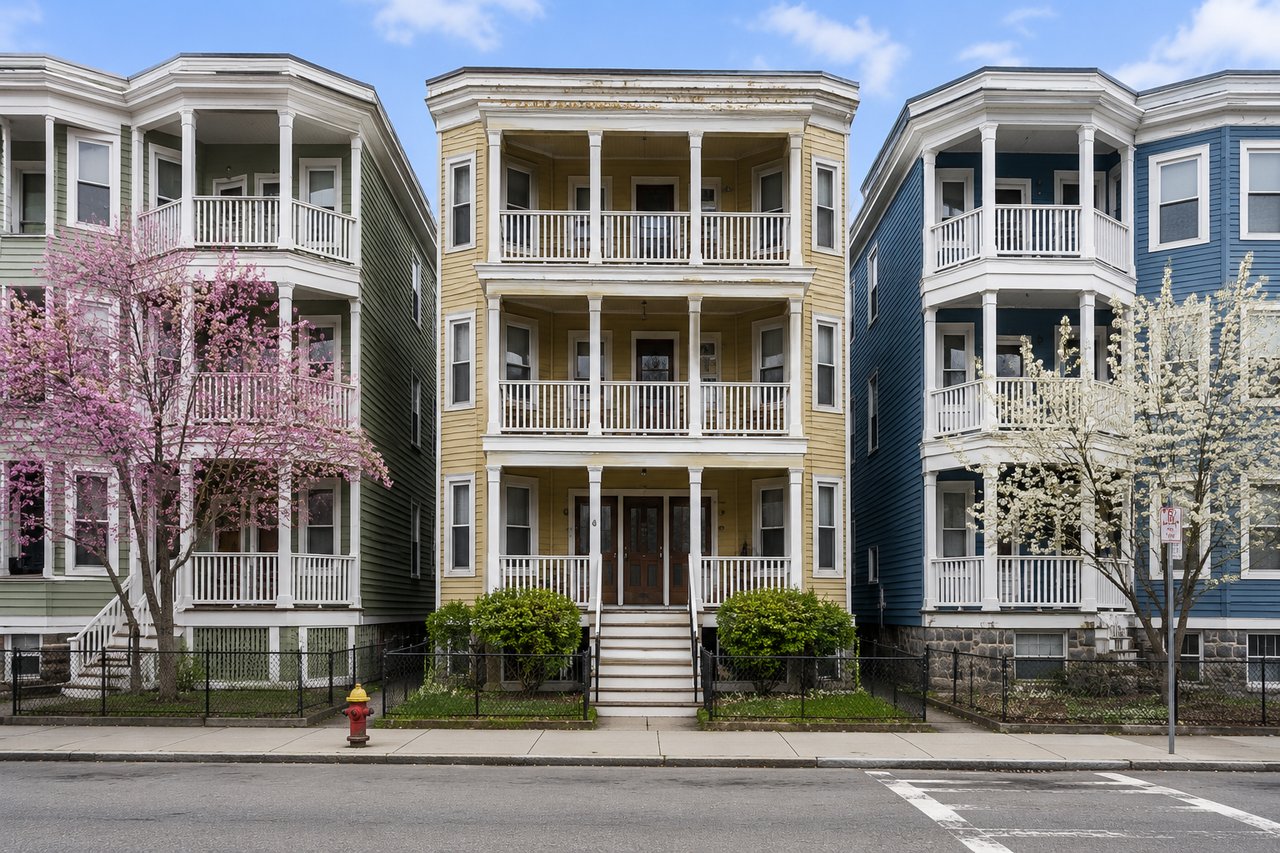
Triple-deckers are one of the most recognizable property types in Boston, and for many buyers and investors, they offer something that feels increasingly rare in this market: flexibility. Whether you want to live in one unit and offset your housing costs with rental income or evaluate a three-unit building as a long-term asset, these properties can open doors that a single-family home often cannot. If you are considering this path, it helps to understand how Boston triple-deckers work, where you are most likely to find them, and what details matter before you buy. Let’s dive in.
Why Boston triple-deckers stand out
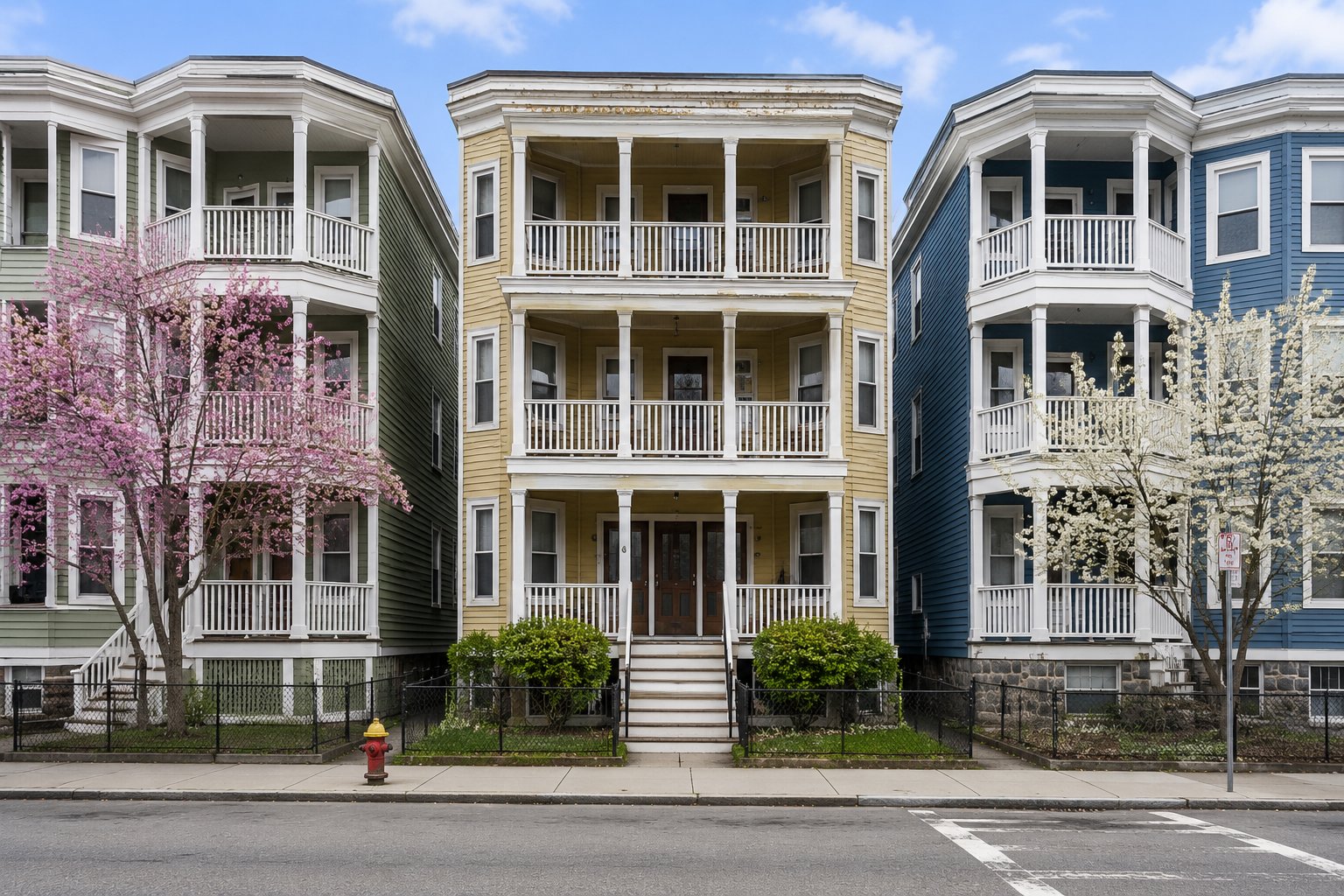
Boston triple-deckers are classic three-story, wood-frame, three-unit houses that became a defining part of the city’s housing stock between the late 1800s and early 1900s. Their design was practical from the start, with kitchens and bathrooms stacked vertically to keep plumbing and electrical lines efficient on narrow city lots. That basic layout is a big reason these homes remain relevant today.
Boston Preservation Alliance estimates that about 15,000 triple-deckers were built in Boston and nearby cities between 1880 and 1930. The City of Boston has also treated the triple-decker as a meaningful model for current housing needs through its Future-Decker initiative, which highlights the form as affordable, adaptable, and replicable on small sites. In other words, these are not just historic homes. They are still part of Boston’s housing conversation.
Where triple-deckers are common in Boston
If you are searching for a triple-decker in Boston, some neighborhoods come up again and again. Dorchester is one of the strongest associations, and city sources also point to South Boston, Charlestown, Roxbury, Jamaica Plain, Mattapan, Hyde Park, and East Boston.
That neighborhood pattern reflects Boston’s older growth along streetcar corridors and dense urban blocks. For buyers and investors, this matters because inventory, renovation history, and property condition can vary a lot by area and even by street. A triple-decker in Jamaica Plain may present differently from one in Dorchester or Mattapan, even if the building type is similar on paper.
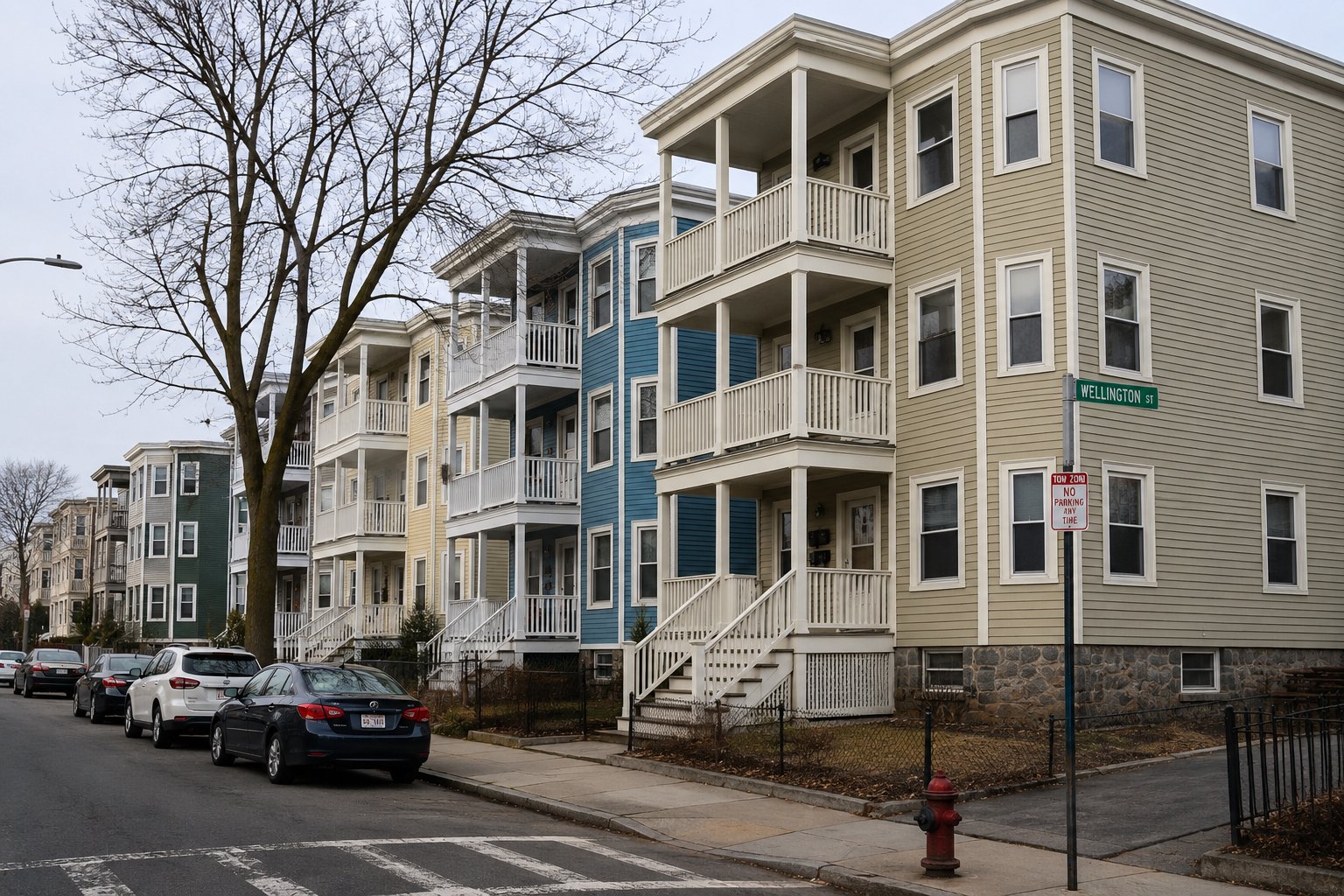
What a typical triple-decker looks like
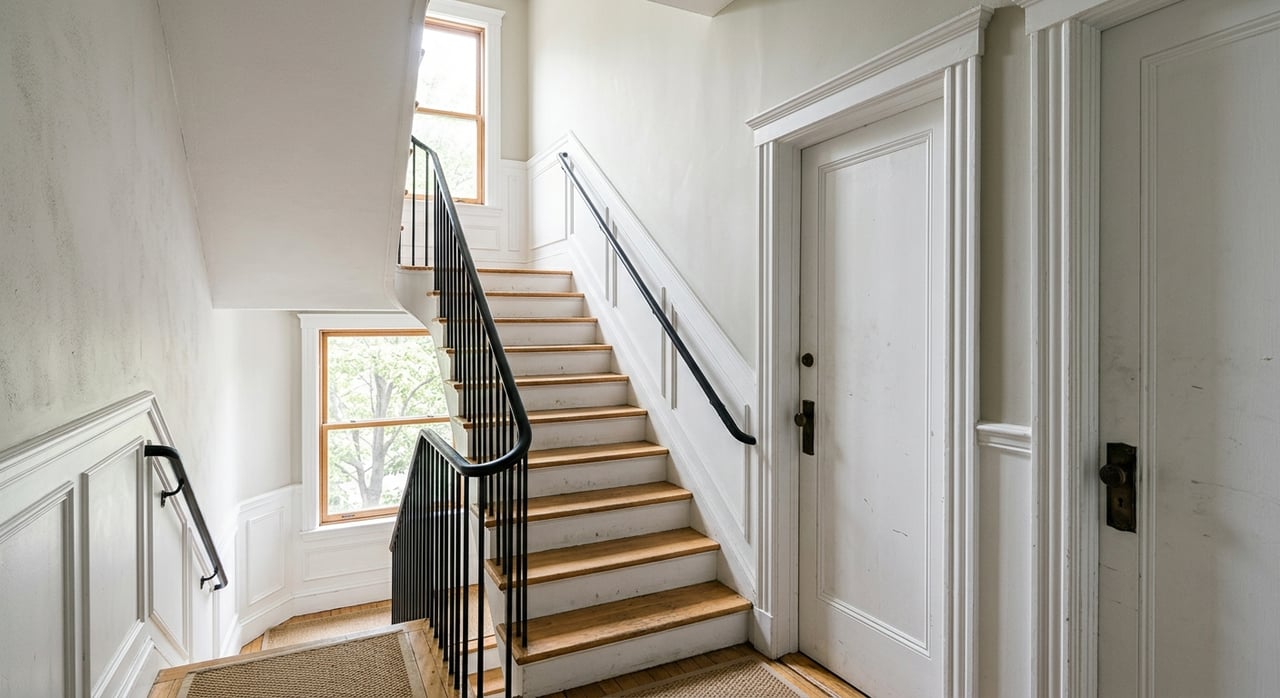
Most Boston triple-deckers have one apartment per floor, often with similar layouts repeated across all three levels. A common floor plan includes two bedrooms, a living room, a dining room, a kitchen, and a full bath. Many have a single front entrance with an internal stair, while some include two entrances.
On the outside, you will often see bay windows, small backyards, and either flat or gable roofs. Many of these homes date to the late 19th and early 20th centuries. Earlier examples often show Queen Anne details, while later ones lean more Colonial Revival in style.
Why buyers are drawn to triple-deckers
For owner-occupants, the biggest advantage is flexibility. You may be able to live in one unit and rent out the other two, which can change the math of buying in a high-cost market like Boston. For some households, a triple-decker also creates space for multigenerational living while still offering separation between units.
That flexibility matters in a region where affordability remains a major challenge. Mass.gov summarized research showing that nearly $200,000 in annual income is needed to afford a median-priced home in the Boston metro area. Against that backdrop, a small multifamily property can offer a different entry point than a single-family purchase.
Why investors keep watching this asset class
For investors, triple-deckers combine rental income potential with multiple long-term strategies. You might hold the property for cash flow, improve it over time, or evaluate a future condo conversion if the building and timing make sense. Because there are three stacked units under one roof, the property can offer a more concentrated income stream than a smaller one- or two-unit setup.
That said, the investment thesis depends on disciplined underwriting. Metro-wide rent benchmarks can help frame possibilities, but they are only a starting point. Redfin reported a Boston-Cambridge-Newton median asking rent of $3,165 in July 2025, while HUD’s FY2026 fair market rents for the Boston-Cambridge-Quincy area were $2,941 for a two-bedroom and $3,526 for a three-bedroom.
Those numbers are not triple-decker-specific, and they are not substitutes for block-level rent comps. Still, they help you pressure-test income assumptions before you get too far into a deal.

Key numbers to review before you buy
If you are evaluating a Boston triple-decker, focus on the numbers that shape day-one performance and long-term risk.
Income basics
Start with current rents, lease terms, and vacancy history. If one or more units are below market, find out why. A low rent may reflect long-term tenancy, unit condition, or utility setup rather than easy upside.
Building condition
Older small multifamily properties often carry deferred maintenance. Roof, plumbing, electrical systems, insulation, and windows can all affect your near-term cash needs. In a triple-decker, one issue can affect all three units because of the stacked design.
Upgrade costs
Some triple-deckers have already been improved, while others need significant work. Boston sources note that surviving triple-deckers are often preserved, condo-converted, or upgraded with clean-energy improvements such as electric heat, solar panels, and charging ports. City-sponsored renovation support has also been noted for some properties.
Exit strategy
If your plan includes condo conversion, treat that as a regulated process, not a casual future option. Boston’s condo and co-op conversion ordinance requires permits and tenant notices for covered conversions and provides tenants with lease-extension and relocation rights. That means your timeline, costs, and obligations need to be evaluated up front.
Renovation and compliance issues to watch
Because many Boston triple-deckers were built before 1978, lead-based paint is an important consideration. Painting, window replacement, plumbing, electrical work, carpentry, and exterior repairs can trigger lead-safe rules and certified contractor requirements. Renovation dust from disturbed paint is a major hazard in older housing.
This is one reason due diligence matters so much with triple-deckers. A property that looks cosmetically manageable may involve more compliance steps than expected once work begins. Before you budget a renovation, you will want a clear picture of the property’s age, condition, and likely scope of work.
Common risks with Boston triple-deckers
Every property type has tradeoffs, and triple-deckers are no exception. The goal is not to avoid the asset class. It is to understand the risk clearly before you move forward.
Here are some of the most common pressure points:
- Vacancy and tenant turnover
- Deferred maintenance in older systems
- Lead-safe compliance requirements
- Utility and insulation upgrades
- Roof or plumbing issues that affect multiple units
- Condo-conversion costs and regulatory steps if your strategy changes
The stacked layout can create efficiency for certain systems upgrades, but it also means one problem can ripple through the whole building. That is why inspections, realistic repair budgets, and careful valuation matter so much.
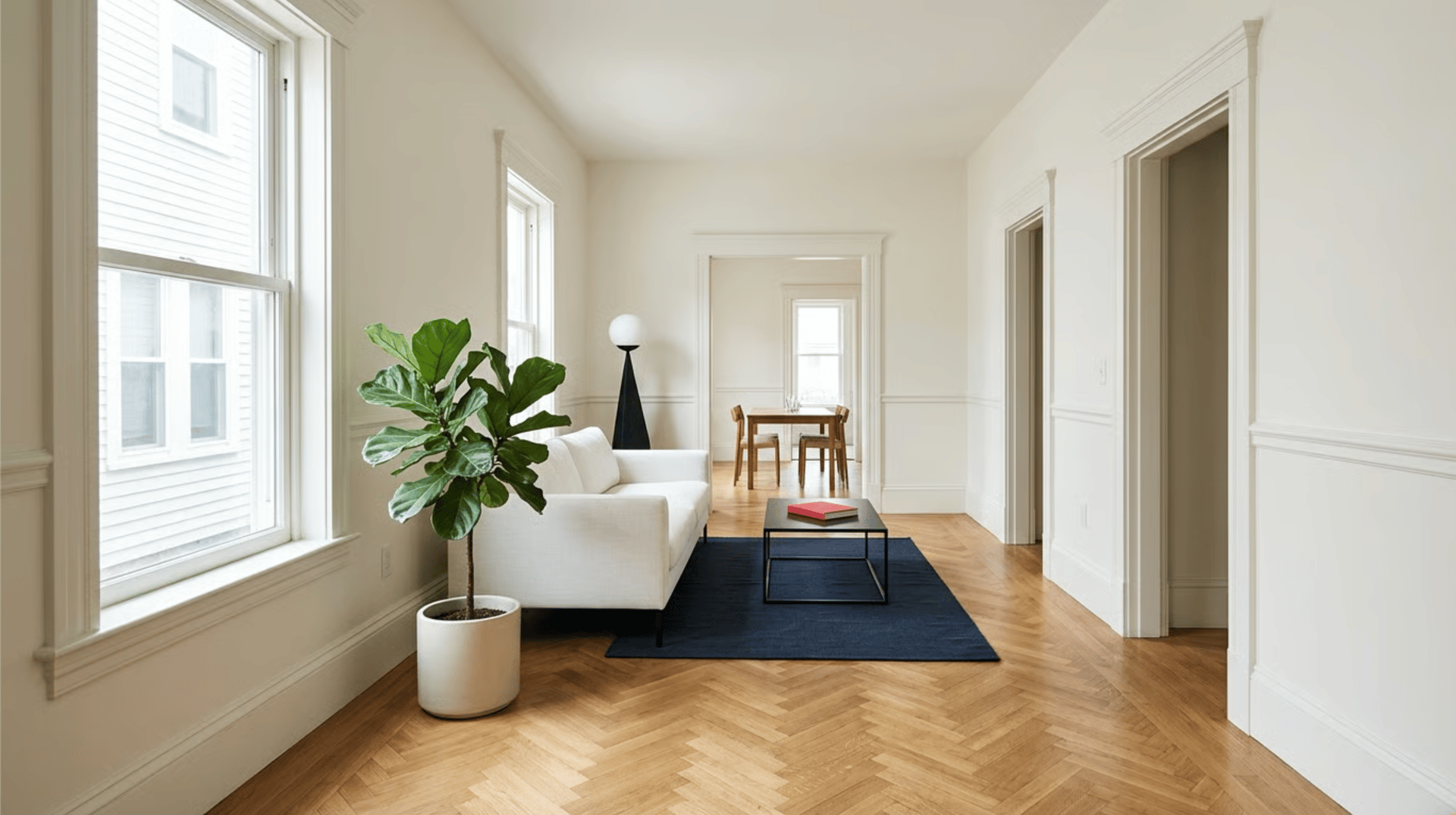
How to approach a smart purchase
A strong triple-decker purchase usually starts with clarity about your goal. Are you buying for house hacking, long-term rental income, multigenerational living, or a future repositioning strategy? Your answer shapes how you evaluate rents, renovation scope, financing needs, and timing.
From there, it helps to compare the property through both a homeowner lens and an investor lens. You want to know how the building lives day to day, but you also want to understand the numbers, the maintenance profile, and the likely costs of ownership over time. In a market as nuanced as Boston, that balance is where good decisions happen.
For many buyers, the right opportunity is not the flashiest building. It is the one with a realistic price, understandable condition, and a strategy that fits your finances and risk tolerance. That is especially true in neighborhoods where triple-deckers remain a core part of the housing stock.
If you are weighing a Boston triple-decker, having local guidance can make the process much clearer. A boutique team with strong neighborhood knowledge, valuation discipline, and investor experience can help you assess not just what a property is, but what it can realistically become. When you are ready to explore your options, connect with Prism Real Estate Group.
FAQs
What is a Boston triple-decker?
- A Boston triple-decker is typically a three-story, wood-frame building with one apartment on each floor, most commonly built in the late 1800s and early 1900s.
Where are triple-deckers most common in Boston?
- Triple-deckers are strongly associated with Dorchester, South Boston, and Charlestown, and they are also found in Roxbury, Jamaica Plain, Mattapan, Hyde Park, and East Boston.
Why do buyers choose Boston triple-deckers?
- Many buyers choose triple-deckers for flexibility, including the option to live in one unit and rent the others or create space for multigenerational living.
Why do investors buy Boston triple-deckers?
- Investors often look at triple-deckers for rental income, long-term hold potential, and in some cases a future condo conversion strategy, subject to Boston’s local rules.
What should you check before buying a Boston triple-decker?
- You should review current rents, vacancy history, lease terms, building condition, likely repair costs, and any compliance or conversion issues tied to your long-term plan.
Are older Boston triple-deckers risky to renovate?
- They can be more complex because many were built before 1978, which means lead-safe rules and certified contractor requirements may apply to certain types of work.