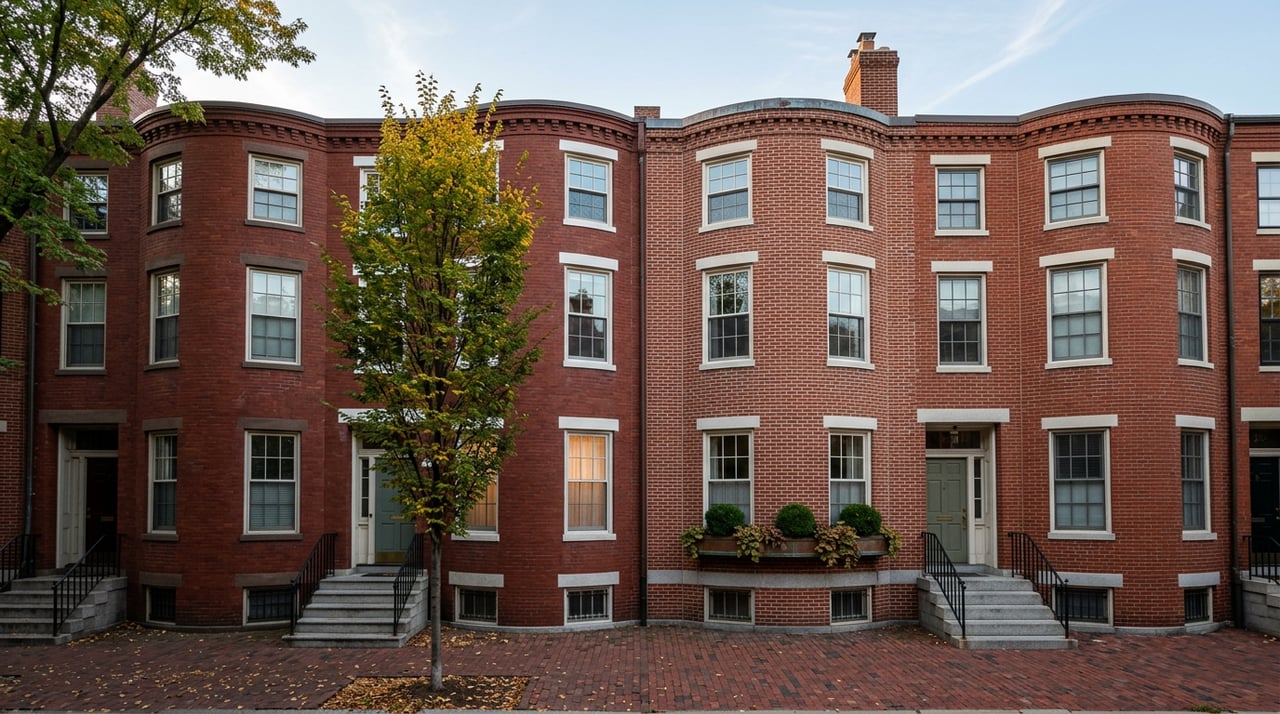
In Boston, you can walk two blocks and see prices, buyer competition, and days on market change fast. If you have been checking citywide averages, you may be missing what really drives your outcome. This guide breaks down how Boston’s micro markets shape value and how you can use the right comps to price, bid, and time your move. Let’s dive in.
What micro markets are and why they matter
A micro market is a small area where pricing and market behavior differ from the broader city. In Boston, that can mean a single street, a transit stop, or a school assignment zone. Short distances often separate very different housing types, amenities, and commute options.
This matters because Boston’s land constraints and zoning patterns limit supply unevenly across neighborhoods. At the same time, major employment hubs like the Seaport and Longwood Medical Area create high-demand pockets. Citywide stats often hide what is happening on your exact block, which is what sets your value and strategy.
Key drivers of price differences
Inventory and housing mix
- Condos dominate in places like the South End and Back Bay, so turnover is higher and units compete on finish level, floor, exposure, and fees.
- Neighborhoods with many 2–4 family properties, such as Dorchester and East Boston, see added investor demand tied to rental returns.
- New luxury buildings can set a price ceiling nearby, while scarce single-family homes in central areas often command stronger premiums.
Transit and commute access
- Proximity to the MBTA subway, commuter rail, ferries, and direct routes to major job centers supports higher prices and resilience.
- Walkable, transit-accessible locations tend to keep price per square foot stronger, especially in softer markets.
Schools and family amenities
- School assignments within Boston Public Schools and access to private or charter options influence purchase decisions.
- Parks and recreation areas, like Jamaica Pond and waterfront greenspace, often support pricing in nearby streets.
Local employment clusters
- Living near the Seaport, Longwood Medical Area, universities, or biotech corridors can boost demand and rental strength.
- New employer expansions can quickly shift demand within adjacent micro markets.
Development pipeline and zoning
- Large projects, such as Seaport-area developments or midrise infill, change local supply. Zoning overlays and density limits shape long-term appreciation potential.
- Checking permits and BPDA plans can help you anticipate near-term inventory.
Investor activity and short-term rentals
- Investor concentration supports prices in some neighborhoods, even if owner-occupier demand cools.
- Boston’s short-term rental rules and registration requirements influence investor buying and conversion decisions.
Amenities and lifestyle
- Access to restaurants, cultural institutions, waterfront paths, and nightlife draws specific buyer cohorts and can affect seasonal demand.
Macro factors with local impacts
- Higher interest rates reduce purchasing power. High-demand micro markets may soften less than fringe areas.
- Seasonality matters. Spring brings more listings and buyers. Winter is quieter and can shift negotiation leverage by neighborhood.
Micro market snapshots to watch
South End
- Housing: Renovated brownstone condos, townhouse conversions, boutique new builds.
- Buyer draw: Historic architecture, strong walkability, downtown proximity.
- Price drivers: Finish quality, unit floor and courtyard exposure, parking availability, and proximity to dining and galleries. New luxury projects can reset expectations.
Back Bay and Beacon Hill
- Housing: High-end condos and historic brownstones with limited single-family stock.
- Buyer draw: Prestige, river and city views, landmark architecture.
- Price drivers: Architectural uniqueness, proximity to Copley and the Charles River, and private parking. Sales volume is thinner, price per square foot is often higher.
Jamaica Plain
- Housing: Mix of Victorian homes, triple-deckers, low-rise condos, and new infill.
- Buyer draw: More space with green amenities and neighborhood parks.
- Price drivers: Access to the Orange Line, park proximity, school considerations, and street-level parking. Portions show steady appreciation tied to park and transit access.
South Boston and Seaport
- Housing: Rowhouses and midrise condos in South Boston; new luxury high-rises and condos in the Seaport.
- Buyer draw: Waterfront access and quick routes to downtown and highways.
- Price drivers: Seaport’s development pipeline can increase short-term supply and influence adjacent areas. Waterfront proximity remains a premium factor.
East Boston
- Housing: Multifamily triple-deckers, waterfront condos, and new midrises near Maverick and Jeffries Point.
- Buyer draw: Relative affordability with quick Blue Line and ferry access.
- Price drivers: Transit access, new waterfront development, and evolving neighborhood amenities. Parking scarcity and coastal flood risk are important considerations.
Dorchester
- Housing: Highly varied mix of triple-deckers, single-family homes, condos, and infill projects.
- Buyer draw: Wide range of options across many sub-neighborhoods.
- Price drivers: Micro location matters a lot. Proximity to Red Line stations and to the Seaport or Neponset corridors often affects values.
Allston–Brighton
- Housing: Many 2–3 family properties and condo conversions, with rental-heavy pockets in Allston and more owner-occupied areas in Brighton.
- Buyer draw: Access to universities and evolving commercial sites.
- Price drivers: Rental demand, redevelopment of former industrial parcels, and transit access shape pricing and turnover.
Charlestown
- Housing: Historic rowhouses, condos, and limited multifamily stock.
- Buyer draw: Near-water setting, village feel, and short commutes to downtown.
- Price drivers: Limited supply, historic-district constraints, and proximity to nearby downtown amenities.
Note: Each neighborhood contains smaller micro markets. A block near a park, a specific courtyard, or a new building can price differently from the neighborhood average. Always stratify by sub-area.
How to pick the right comps in Boston
Start with property type
- Match condo to condo, 2–3 family to 2–3 family, single-family to single-family. Mixing types leads to misleading conclusions.
Align unit attributes
- Match bedroom count, living area, floor level for condos, bathroom count, condition, parking, and outdoor space.
- For condos in dense neighborhoods, use a tight radius. Often aim for the same block or within 0.25 to 0.5 mile. For single-family homes, you can widen to about 1 mile if the housing stock is similar.
- Practical example: For a 2-bedroom condo in the South End, prioritize sales on the same block or within 0.25 mile, and within about 3 months.
Use a current time window
- In a fast market, favor the last 3–6 months. In a cooling market, you may look back up to 12 months but adjust for any price movement.
- Track inventory, days on market, and sale-to-list ratio so you can account for shifts between comp dates and today.
Derive adjustments from local data
- When possible, compare near-duplicate sales to gauge the value of specific features, such as a second parking space or a private deck.
- In Boston, parking, deeded outdoor space, recent gut renovations, and proximity to a transit station often carry meaningful value differences. Derive exact adjustments from recent local sales.
Metrics to monitor in your micro market
- Active inventory and new listings per month. Fewer options with steady demand can mean faster sales and stronger prices.
- Median days on market. Shorter times often indicate competitive conditions.
- Sale-to-list price ratio. Consistent sales over asking signal multiple-offer risk.
- Percent of sales with multiple offers. Where available, this helps set offer or pricing strategy.
- Price per square foot trends. Useful to spot outliers and normalize across different unit sizes.
- Pipeline and permits. New construction and conversions can add supply and affect near-term pricing.
- Rental vacancy and average rents. This shapes investor demand for 2–4 family and condo units.
Setting strategy: buyers and sellers
If you are buying
- Expect to compete in high-demand pockets near major transit and job centers. Plan for multiple-offer playbooks where sale-to-list ratios are firming.
- Use tight comps and recent sales. Ask for a read on nonpublic pending activity from your agent’s MLS access.
- Consider seasonality. Winter can offer negotiation leverage in some micro markets, while spring brings more choice but also more competition.
If you are selling
- Price to the micro market, not the city average. Anchor your list price to the best-matched recent comps and adjust for condition, parking, and outdoor space.
- Time your listing for peak buyer activity in your sub-neighborhood. Watch for supply lulls or new-building deliveries that could change the playing field.
- Be transparent about HOA fees and any assessments. These materially affect affordability and buyer willingness to stretch.
Common caveats to avoid misreads
- Small sample sizes can distort medians. Remove outliers, especially recent luxury or distressed sales.
- Renovation premiums vary. High construction costs widen the gap between renovated and unrenovated units; adjust comps accordingly.
- Condo fees and special assessments matter. Higher monthly costs often translate to lower achievable sale prices versus low-fee comps.
- Market shifts happen between comp dates and your listing or offer. Recalibrate if interest rates or inventory change.
Your next step
If you want a data-forward plan that reflects your exact block, property type, and timing window, work with a team that blends neighborhood knowledge with appraisal-level valuation. Based in Jamaica Plain and active across Greater Boston and the North Shore, our advisors combine on-the-ground market reads with rigorous comps and investor-savvy strategy. To get a clear price range and plan, connect with Prism Real Estate Group. Request a Free Market Valuation.
FAQs
How different can prices be from one block to the next in Boston?
- Differences can be significant due to unit type, floor level, parking, finish level, and direct access to transit or parks. Always use tightly matched comps in the same micro area.
Should I rely on citywide median prices when buying or selling in Boston?
- Use citywide medians only as a broad context. For decisions, prioritize neighborhood and sub-neighborhood data because micro markets drive actual outcomes.
How far back should I look when selecting comparables in Boston?
- In faster markets, focus on sales from the past 3–6 months. In slower markets, you can look up to 12 months but adjust for any market movement.
Do parking and condo fees meaningfully affect value in Boston?
- Yes. Deeded parking and low monthly HOA fees tend to support higher prices, while high fees or special assessments reduce affordability and can lower value.
Will major development in the Seaport or East Boston affect nearby neighborhoods?
- Large new projects can add supply and influence pricing dynamics in adjacent micro markets. Review local permits and delivery timelines when setting strategy.