Thinking about buying a Boston multi-family and becoming a landlord? You are not alone. Small 2–4 unit properties are the backbone of many Boston neighborhoods and a practical way to build long-term wealth. In this guide, you will learn how to pick the right building, run the numbers with confidence, follow key city and state rules, and map an operating plan that fits your goals. Let’s dive in.
Why Boston small multis work
Boston is a high-cost, supply-constrained market with steady rental demand. Citywide home values hover in the upper hundreds of thousands, and average asking rents remain strong. That mix attracts investors who want both income and long-term appreciation potential.
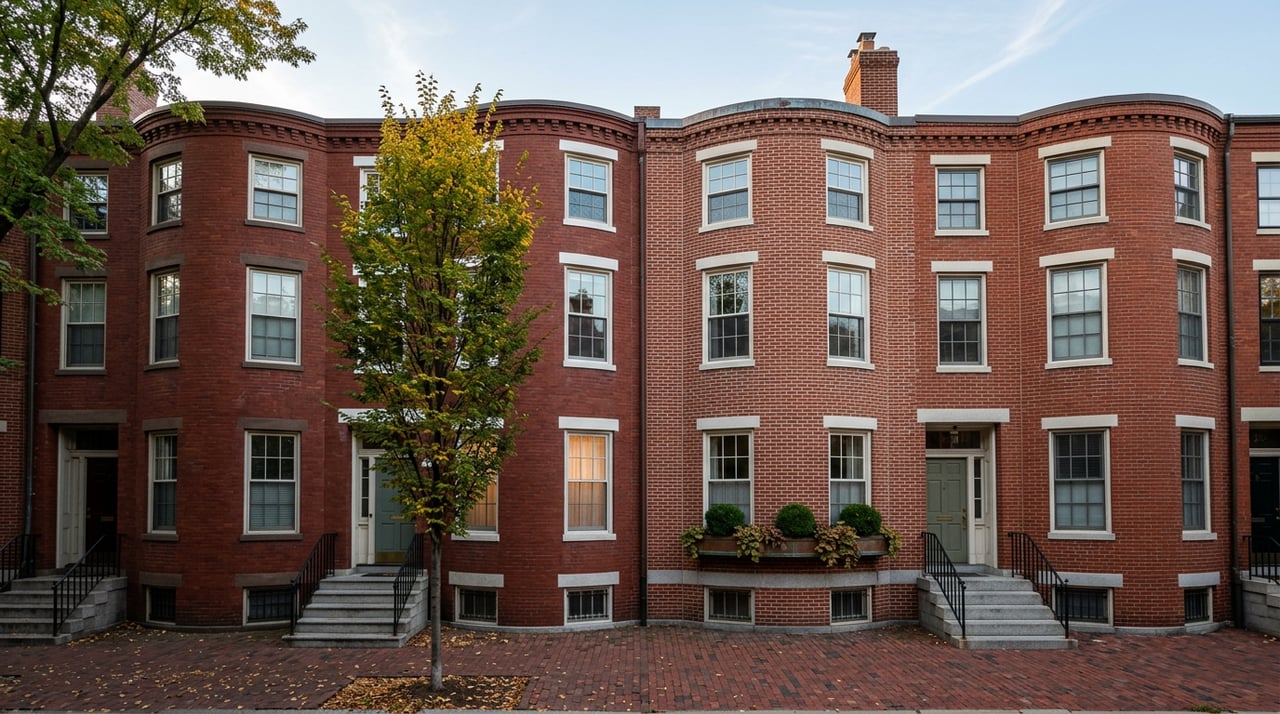
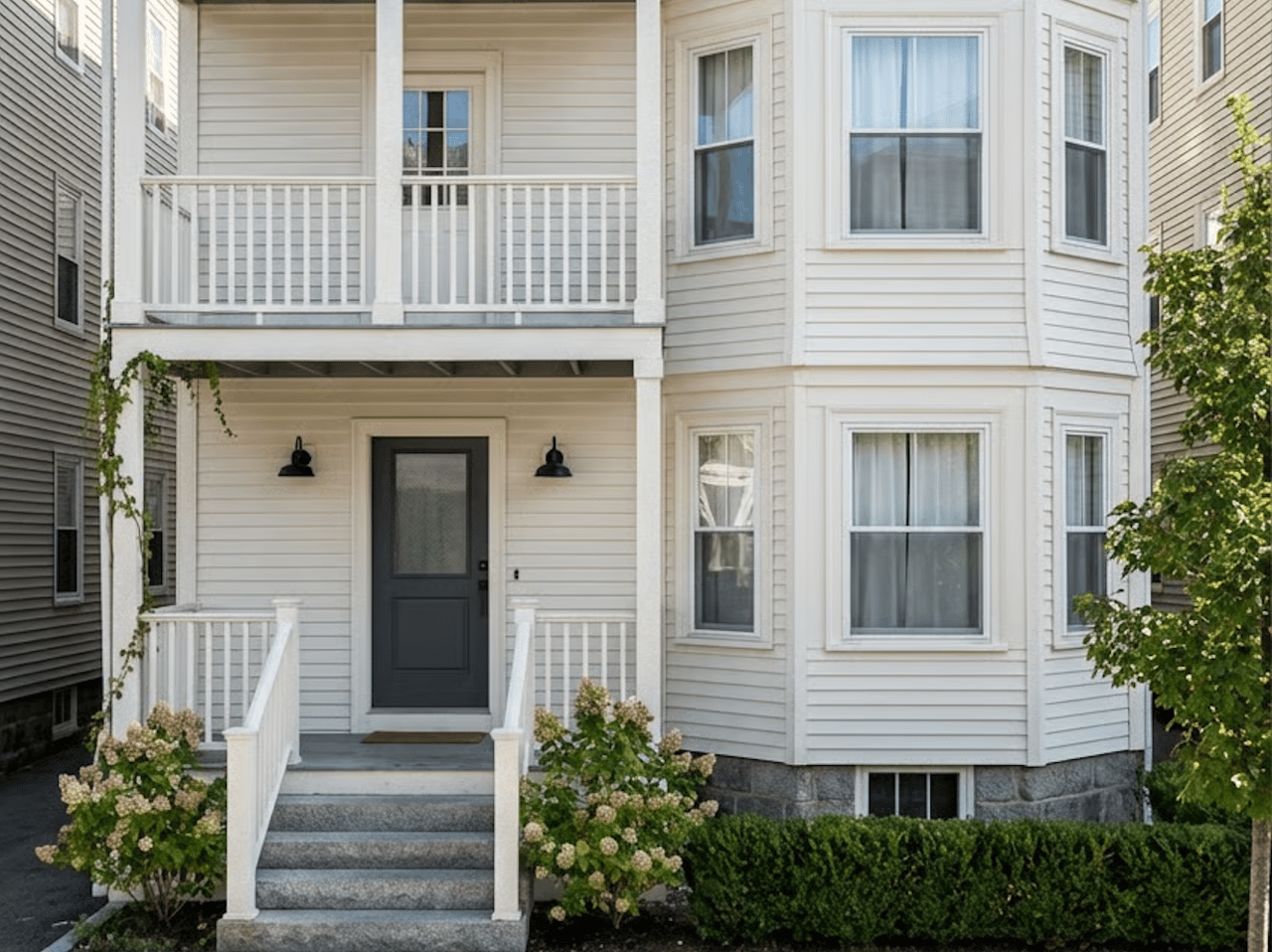
Many buildings are classic two- and three-family homes, including New England triple-deckers. If you plan to live in one unit and rent the others, that setup can help offset your mortgage while you learn the ropes of property management.
Neighborhood cheat sheet
Each Boston neighborhood has its own price and rent profile, building vintage, and tenant mix. Street-by-street differences matter, so use this as a starting point and verify block-level details during your search.
Roxbury
Average rents tend to be lower than the city core, creating entry points for first-time investors. Recent data shows average rent near $2,457, and the area has a high share of renters. Roxbury is transit-connected and a focus of active planning, so check current projects nearby when you evaluate a property. See the latest neighborhood rent snapshot for Roxbury on RentCafe.
Dorchester
Boston’s largest neighborhood offers many 2–4 unit homes, including classic triple-deckers. Rents and prices vary by sub-area, and several mixed-use projects continue to add amenities. If you want scale later, Dorchester’s building stock can support a small portfolio within a few square miles.
Jamaica Plain
JP attracts long-term renters and owner-occupants who value green space and transit access. Pricing sits between inner-core and residential tiers, and demand is steady. For broad context, review the neighborhood rent tables compiled by UMass Boston’s team here.
East Boston
With strong commuter appeal via the Blue Line and proximity to the airport and waterfront, Eastie has seen rising rents and new development. It often prices below downtown while offering quick access to jobs, which can support consistent occupancy.
Property types: what to expect
Triple-deckers 101
Triple-deckers are three stacked full-floor units in a wood-frame building. They are popular for house-hacking because you can live in one unit and rent the other two. Many are older, so expect vintage systems and exterior porches that may need attention. Plan for plumbing and electrical updates, energy retrofits, and lead-safety compliance if the home predates 1978.
Two- and three-family homes
Two- and three-families are common across Roxbury, Dorchester, JP, and East Boston. They are usually treated as residential for lending, which can open owner-occupied financing options. Zoning, parking requirements, and local overlays still matter, so confirm use and any conversion potential with your attorney and the city.
Run the numbers right
You do not need to be a spreadsheet wizard, but you do need a clean, consistent process.
- Gross Scheduled Income (GSI): Annual rent if the building is fully occupied.
- Vacancy/Credit Loss: A realistic allowance for turnover and nonpayment.
- Effective Gross Income (EGI): GSI minus vacancy/credit loss.
- Operating Expenses: Taxes, insurance, owner-paid utilities, routine repairs, management, legal, supplies.
- Net Operating Income (NOI): EGI minus operating expenses.
- Cap Rate: NOI divided by purchase price. It helps you compare assets on a yield basis. For a refresher on the income approach and cap rates, read this Investopedia overview.
Other useful metrics include Gross Rent Multiplier (GRM), Debt-Service Coverage Ratio (DSCR), and cash-on-cash return. Many lenders look for a DSCR around 1.20 to 1.30 on small deals, but requirements vary. Always confirm the underwriting standard with your lender.
Read the rent roll like a pro
A rent roll is the first document you should digest. It tells you who lives in each unit, what they pay, and how stable the income is. Use this rent roll guide as a checklist, and verify details against bank deposits and the seller’s P&L.
Key items to confirm:
- Unit, tenant name, and lease start/end dates
- Contract rent vs. rent collected and any concessions
- Security deposit amount and handling
- Month-to-month vs. fixed-term leases
- Recurring extra income, like parking or laundry
- Landlord-paid utilities by unit
- Any arrears or payment plans
Use the rent roll to build your GSI, apply a vacancy allowance, and flag stabilization risks.
Local rules you must follow
City and state rules directly affect your operating costs, timelines, and risk. Bake these into your pro forma and your first-year plan.
Register and inspect rentals in Boston
The City of Boston requires annual rental registration for each unit, with a July 1 deadline. The city inspects registered rentals at least once every five years. Some owner-occupied small buildings may be exempt from routine inspections, but you still need to register. Penalties apply for late registration. Review the city’s steps for registering a rental and when you may need a rental inspection.
Handle deposits correctly in Massachusetts
Security deposits are capped at one month’s rent. You must place the deposit in a separate interest-bearing account in a Massachusetts bank, give the tenant a receipt with bank and account information within 30 days, pay or credit interest annually, and return the deposit with interest within 30 days after tenancy ends unless you have itemized lawful deductions. Violations can trigger treble damages, so set up your systems on day one. See the state’s summary on security deposits and last month’s rent.
Plan for eviction timelines
For nonpayment, Massachusetts generally requires a 14-day Notice to Quit before filing a summary process action. For other terminations, a 30-day or rental-period notice often applies. Court timelines vary, and eviction often adds 30 to 60 days or more of lost income and legal cost. Read the notice types and process explained by MassLegalHelp.
Lead paint and safe renovation
If your building predates 1978, assume lead may be present. Massachusetts regulations require deleading or interim controls where a child under six lives or if dangerous lead conditions are found, with formal Letters of Full Compliance or Interim Control. See the state’s deleading framework in 105 CMR 460.100 on Justia’s regulations library.
Any renovation that disturbs painted surfaces in pre-1978 housing must follow the federal EPA Renovation, Repair and Painting Rule. That means certified firms, lead-safe work, pre-renovation disclosure, and recordkeeping. Review the EPA’s RRP summary here.
Short-term rentals
If you are considering short-term rentals, Boston has registration rules. Check the city’s pages and confirm eligibility before you underwrite any STR income.
Financing paths that work here
Owner-occupant buyers can use FHA loans to purchase 2–4 unit properties if they live in one unit. Down payments can be as low as 3.5% for qualified borrowers. Loan limits change annually by county, so confirm the current numbers with your lender.
If your target needs work, FHA 203(k) and conventional renovation products like HomeStyle can roll purchase and rehab costs into one loan. Ask lenders about timelines, contractor requirements, and draw schedules so you can plan your closing and construction start.
For non-owner investors, options include conventional investor loans, local bank portfolio loans, and DSCR-based mortgages. Expect higher down payments, rate premiums, and reserve requirements. Lenders will look closely at NOI, DSCR, and your plan to stabilize any under-market units.
Rehab and operating plan
Before closing, order a full building inspection and scope your capital work. In older Boston stock, pay close attention to roofs, porches, foundations, plumbing and electrical, moisture, and heating systems. If the property predates 1978, plan for lead-safe practices and possible deleading.
Build a 12-month operating pro forma that includes:
- Realistic vacancy and turnover costs
- Property management, even if you plan to self-manage at first
- Insurance, snow, landscaping, pest control, and common utilities
- Ongoing repairs and supplies
- A capital reserve for big-ticket items like roof or boiler replacement
Risks and exit plans
Know the big risk buckets so you can price them in and manage them.
- Regulatory: Rental registration, inspections, security-deposit handling, eviction timelines, and lead compliance all carry cost and enforcement risk.
- Physical: Older buildings can hide deferred maintenance. Budget for the unexpected and hold a reserve.
- Market and financing: Interest rates, lending standards, and property taxes can change. Stress test your deal.
Common exit options include refinance after stabilization, a sale to an owner-occupant or a small developer, or a 1031 exchange into another property. Work with a CPA to model after-tax outcomes.
Quick due-diligence checklist
Use this compact list to organize your steps from offer to operations.
Pre-offer
- Gather the current rent roll and reconcile it to bank deposits and the seller’s P&L. Use this rent roll guide as a checklist.
- Confirm all leases, deposit amounts, and who pays each utility.
- Review recent tax bills and any assessment changes. Ask for permit and violation history.
- Order a general inspection and lead-risk screening for pre-1978 properties. Follow EPA RRP rules if any paint will be disturbed.
Pre-close
- Verify the property’s Boston rental registration status and any open inspection orders in writing from the seller.
- Secure final insurance quotes and confirm lender underwriting standards for DSCR, reserves, and rehab draws.
Post-close
- Register your units with the City of Boston and schedule your first inspection window. Start a compliant system for deposit receipts, annual interest, and move-out accounting.
- Build a 12-month capex and maintenance calendar. Line up licensed, lead-safe contractors for any work in pre-1978 units.
Ready to invest with a partner?
If you want a clear path from search to stabilized cash flow, you deserve a local team that knows the neighborhoods and the numbers. Prism Real Estate Group pairs appraisal-level valuation with end-to-end investor services, from acquisition and renovation oversight to leasing and ongoing landlord support. Let’s map your next move with confidence. Connect with Prism Real Estate Group to Request a Free Market Valuation and start your Boston multi-family plan today.
FAQs
What expenses should I include when underwriting a Boston 2–4 unit?
- Include taxes, insurance, owner-paid utilities, repairs, management, legal/accounting, supplies, snow and landscaping, plus a capital reserve for big-ticket items.
Can I use an FHA loan to buy a Boston triple-decker if I live in one unit?
- Yes, FHA financing can be used for 2–4 unit properties if you occupy one unit, subject to program rules and county loan limits that change annually.
How does Boston’s rental registration and inspection work for small landlords?
- You must register each rental unit annually by July 1, and the city inspects registered rentals at least once every five years, with limited exemptions for owner-occupied buildings.
What does a 14-day Notice to Quit mean for nonpayment in Massachusetts?
- It is a required notice before filing an eviction for nonpayment; timelines vary, but plan for added legal cost and potential 30–60 days or more of lost income during the process.
Do I need to delead my pre-1978 Boston property to rent it?
- Massachusetts requires deleading or interim controls where a child under six resides or if dangerous lead conditions are found, and all pre-1978 renovations must follow EPA RRP lead-safe rules.