Start with your lifestyle
Wondering which Boston neighborhood fits your day‑to‑day life? With compact blocks, historic streets, and new waterfront towers, each area offers a different rhythm, commute, and housing style. It can feel overwhelming at first, especially when every block has its own vibe. This guide gives you a clear, lifestyle‑first snapshot so you can build a smart short list and explore with confidence. Let’s dive in.
Boston’s neighborhoods sit close together, often within a few miles of each other. That means your priorities can lead the way. If you want a quick walk to downtown, you have options. If you value parks, the Emerald Necklace and Harborwalk put green and blue space within reach. Transit access, parking, nightlife, schools, and housing type all vary by micro‑location, sometimes from one street to the next.
Neighborhood matches at a glance
Historic charm and central living
- Beacon Hill: Quiet, brick‑lined character, close to downtown and the State House. Expect rowhouses and small condos, with very short walks to work and transit. Inventory is limited and often premium.
- Back Bay: Polished brownstones, high‑end retail, and classic blocks along the Public Garden. Walk to multiple subway lines and commuter rail. Housing spans renovated condos to luxury high‑rises.
- North End: Old‑city charisma and a strong culinary identity. Streets are narrow with limited parking. You can walk to downtown and waterfront paths, with subway access nearby.
Arts, dining, and galleries
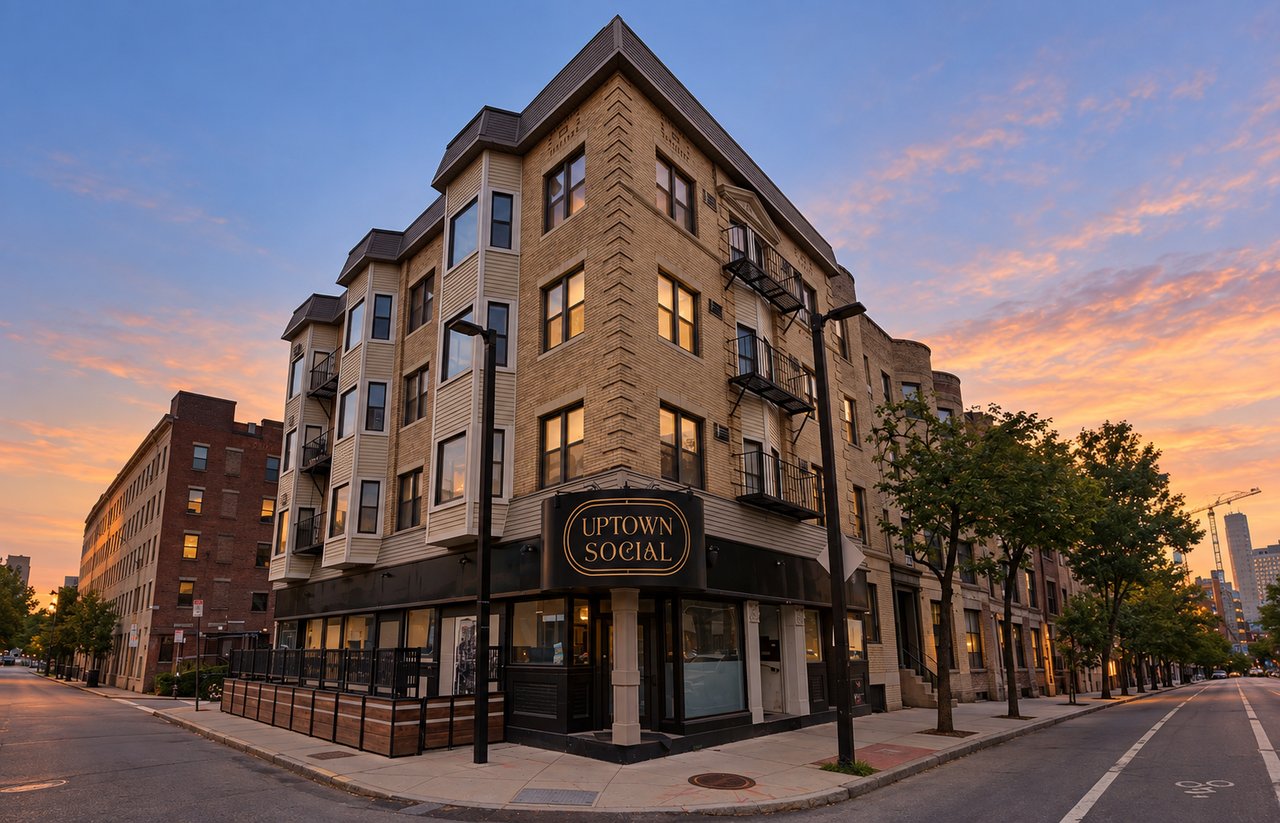
- South End: A favorite for dining and local art. Brick rowhouses, condo conversions, and some newer mixed‑use buildings. Walkable to several job centers, with quick transit to downtown.
Near universities and nightlife
- Fenway/Kenmore: Energetic, close to performing arts venues and Fenway Park. Mix of apartments, newer condos, and classic triple‑deckers. The Green Line connects you across the city.
- Allston/Brighton: Music venues, informal dining, and strong rental demand. Multiunit buildings and triple‑deckers are common, with bus corridors, commuter rail, and some subway access depending on the block.
Parks and green space
- Jamaica Plain (JP): Neighborhood‑oriented with access to the Emerald Necklace, Jamaica Pond, and community arts. Housing includes triple‑deckers, small single‑family homes, and condos. Commutes vary by exact location, with light rail and bus options.
- South Boston: Castle Island and waterfront paths offer easy outdoor time. Rowhouses and new Seaport‑adjacent developments are common. Walk, bike, or take the Red Line and buses to downtown.
Waterfront and modern towers
- Seaport/Waterfront: Modern glass towers, upscale restaurants, and growing green spaces along the harbor. New high‑rise condos and luxury rentals dominate. Walking to downtown is straightforward, but traffic and parking can be challenging.
- East Boston (Eastie): Diverse, evolving waterfront with Blue Line access and ferries. Mix of multifamily homes, condos, and new developments. Quick access to Logan Airport and downtown by transit.
Close‑knit feel near downtown
- Charlestown: Historic streets, waterfront views, and pockets that feel quieter yet central. Rowhouses and condos are common, with newer developments along the water. Commutes are short by foot, bus, or subway.
Relative value and space
- Dorchester & Roxbury: Large, diverse areas with a wide range of housing types, including triple‑deckers and single‑family homes. Many subareas offer relatively more space compared to central neighborhoods. Transit varies by block, so check your exact route.
Daily life: transit, walkability, parks, services
Transit and commute basics
Boston’s MBTA system includes subway, commuter rail, buses, trolleys, and ferries. Central neighborhoods usually give you 10 to 25 minute trips by foot or a quick ride to downtown, while outer areas can range from 30 to 50 minutes depending on transfers and peak times. Service levels can shift with seasons and construction, so check MBTA maps and schedules when you plan a commute test.
Central neighborhoods like Back Bay, Beacon Hill, the South End, Fenway, and the North End are transit‑rich. East Boston stands out for Blue Line access and fast airport connections, plus ferry routes that serve some downtown commutes. In Jamaica Plain, Allston/Brighton, and parts of Dorchester, exact commute times depend on your nearest station or bus line.
Walkability, biking, and parking
Boston is known for walkability in the historic core. To compare areas, look up neighborhood‑level rankings on Walk Score for Boston. Bike lanes have expanded, and many waterfront corridors feel especially bike‑friendly. If you plan to keep a car, central neighborhoods have limited and often competitive parking. Most areas require resident permits, so review the city’s process for resident parking permits and street‑cleaning schedules before you decide.
Parks, waterfront, and outdoor time
You will find big‑name parks in the heart of the city, including Boston Common and the Public Garden. The Emerald Necklace adds a ribbon of green through Fenway and Jamaica Plain to Franklin Park. On the water, the Harborwalk connects neighborhoods with miles of accessible shoreline. Explore routes, access points, and nearby parks through the city’s Harborwalk information.
Daily services: groceries, healthcare, childcare
Central neighborhoods pack in specialty grocers and local retail, while outer neighborhoods often have larger supermarkets and warehouse options. Major hospitals sit near downtown and Longwood. For childcare and schools, families use a range of options that include Boston Public Schools, charter schools, and private schools. Admission policies and placement can be complex, so review official guidance and visit schools in person to understand your options.
Safety and neighborhood change
Crime levels vary by area and block. For current neighborhood crime reporting and maps, use the Boston Police Department’s crime statistics. Many neighborhoods are seeing new development and change. If you want to understand what is planned, the Boston Planning & Development Agency posts major projects, zoning, and neighborhood studies. Community meetings and civic groups can also help you get a feel for local priorities.
What to expect from housing
Historic cores and classic buildings
In Beacon Hill, Back Bay, the North End, and the South End, housing often means brownstones, rowhouses, and historic conversions. New inventory is limited. Premium pricing is common due to location and character. If you love period details, plan for careful inspections and ownership costs that match the age and complexity of these buildings.
Triple‑deckers and multifamily options
In Jamaica Plain, Dorchester, Roxbury, and Allston/Brighton, you will see many triple‑deckers and wood‑frame homes. These areas often provide more choices for renters and entry‑level buyers. Some buyers choose owner‑occupied two‑ or three‑family properties to offset costs with rental income. If you pursue this route, model your expenses and reserves with care.
Luxury and new construction
The Seaport and Waterfront areas feature new high‑rise condos and luxury rentals, with more new product in Fenway and select South End sites. New buildings can offer amenities, parking, and energy efficiency. Monthly HOA fees and building policies vary, so review financials and rules before you commit.
Competition and timing
Inventory across Boston can be tight, especially in central neighborhoods and turn‑key homes. Renters near universities and transit hubs often face fast lease‑ups around academic calendars. Be prepared with a preapproval, proof of funds, and a clear checklist. When a match appears, it helps to move decisively.
Condo and HOA considerations
Condo ownership adds shared governance and costs. Read condo documents and budgets closely to check reserve funds, upcoming capital projects, and building rules. If you are unsure, ask your agent to help you assess the long‑term financial health of the association.
Older buildings and inspections
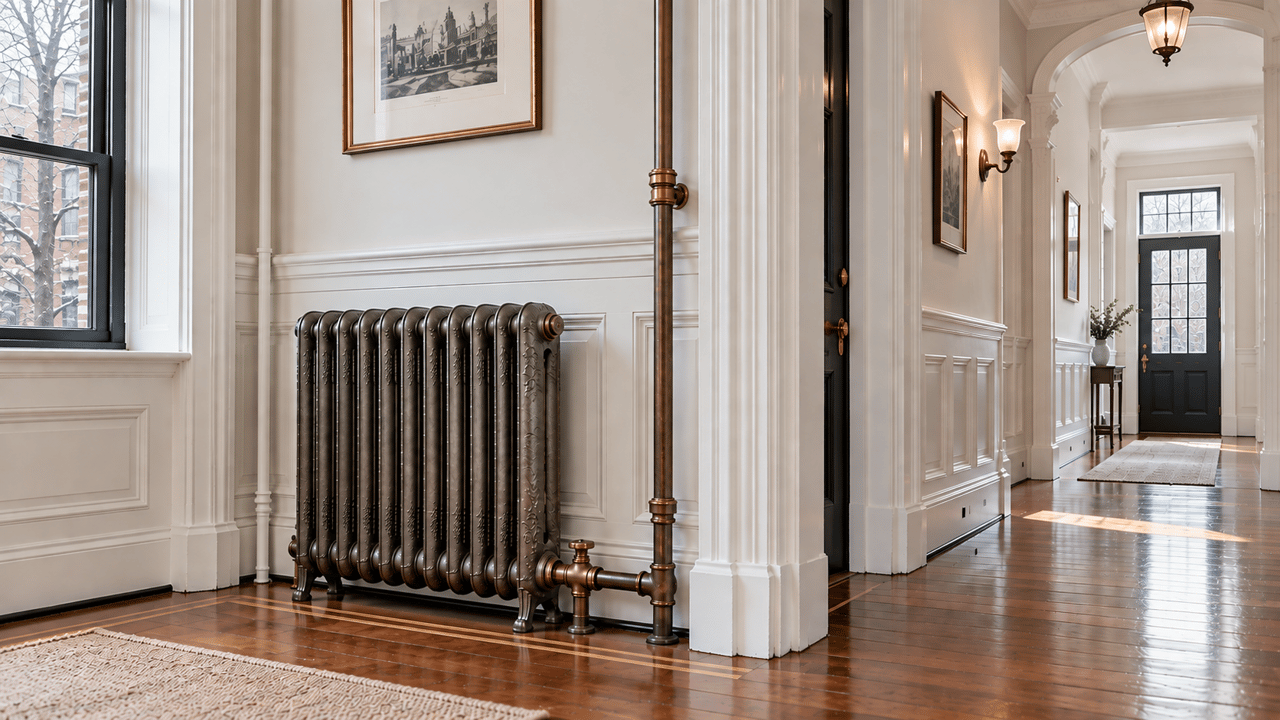
Many Boston homes predate modern codes, which makes thorough due diligence essential. Inspections should focus on foundation, roof, electrical, plumbing, and HVAC, along with historic‑material issues like lead paint or asbestos. Budget for realistic maintenance and plan for future updates.
Your next steps
Use this simple plan to turn browsing into a targeted search.
- Define priorities: commute tolerance, transit vs. driving, housing type, need for parking, must‑have amenities like parks or nightlife.
- Create a short list: pick 3 to 5 neighborhoods that match your lifestyle. Explore the city’s official neighborhood pages to learn basics.
- Visit at different times: weekdays and weekends, morning and evening. Listen for noise and watch traffic patterns.
- Transit test: time your route during rush hour using MBTA maps and schedules. Include transfers and walking segments.
- Budget for extras: property taxes, condo or HOA fees, utilities in older buildings, parking permits, and maintenance.
- Inspect and verify: focus on structure and systems, especially in historic buildings.
- For renters: ask about lease timing, broker fees, pet policies, and what utilities you pay.
Ready to compare neighborhoods, refine your priorities, and map a clear path forward? Work with a local team that blends neighborhood insight with appraisal‑level pricing expertise. Reach out to Prism Real Estate Group for a friendly strategy session, on‑the‑ground tours, and a plan that fits your goals.
FAQs
Which Boston neighborhoods have the easiest downtown commute?
- Central areas like Back Bay, Beacon Hill, the South End, Fenway, and the North End typically offer 10 to 25 minute trips to downtown by foot or transit, though times vary by exact origin and destination; check MBTA maps and schedules for your route.
Where can I live for quick access to Logan Airport?
- East Boston stands out for fast Blue Line service and short connections to the terminals, while the Seaport and Waterfront offer ferry and road access depending on your timing and destination.
Do I need a car in Boston, and how does parking work?
- Many central neighborhoods are highly walkable and transit‑friendly, so a car is optional; if you do drive, plan for limited street space and review resident parking permits and building‑specific options.
Which areas tend to offer more space or relative affordability within the city?
- Parts of Dorchester, Roxbury, Allston/Brighton, and some blocks in Jamaica Plain often provide larger units or multifamily options compared with historic cores, though micro‑location and condition drive pricing.
What should I know about buying a condo in a historic building?
- Review HOA budgets and reserves, ask about upcoming projects, and plan for maintenance tied to older systems and materials, including possible lead paint considerations.
How fast do I need to act when I find a home I like?
- Competition can be strong in central neighborhoods, so have a preapproval and documents ready and work with an agent who can move quickly on tours, pricing, and terms.