What will your weekends look like if you call Boston home? If you are relocating, renting, or simply exploring new neighborhoods, it helps to see how the city actually lives after work. In Boston, free time tends to center on three things: arts and culture, neighborhood dining, and connected green space. This guide shows you where those experiences cluster, how locals spend their time, and how to sample the city like a resident. Let’s dive in.
How Boston weekends work
Boston’s lifestyle is neighborhood-based. You will find museums around Fenway and the Seaport, galleries and markets in the South End, and dining corridors from Newbury Street to the North End. The city also puts parks and waterfront paths within easy reach of daily life.
If you want a quick way to get oriented, the city’s Neighborhood Services page is a helpful starting point for contacts, maps, and community updates. Then build your routine around reliable anchors: museum nights, market days, your favorite dining blocks, and a go-to run or walk route.
Arts + culture you can walk to
Big-name museums near Fenway and Seaport
Two of the city’s most visited institutions sit on the Fenway–Back Bay edge. The Museum of Fine Arts offers major exhibitions, evening programs, and family days that make it a steady year-round draw. Nearby, the Isabella Stewart Gardner Museum pairs an intimate historic setting with seasonal courtyard displays and concerts (check programs before you go). Across the harbor in the Seaport, the Institute of Contemporary Art (ICA Boston) delivers contemporary art and waterfront views, often blending exhibitions with public events.
Families often build weekends around interactive destinations such as the Museum of Science and the New England Aquarium. These are clustered near the Charles River and downtown waterfront, and they are popular for daytime visits when the weather is unpredictable.
Performing arts and big-night venues
When you want a classic night out, you have options. Symphony Hall hosts the Boston Symphony Orchestra, the Boch Center’s Wang and Shubert theatres bring Broadway and touring shows, and TD Garden handles major concerts. For a lighter evening, you will find smaller club rooms, neighborhood theaters, and seasonal outdoor music popping up around the Esplanade and Greenway.
Galleries and SoWa rituals
If you prefer an arts stroll, head to the South End’s SoWa district. The area combines 20-plus galleries and a design-retail zone that opens its doors for First Friday events. On Sundays in the warm months, the SoWa Open Market brings makers, art, and food to the neighborhood. Check the SoWa site for the current gallery hours and market schedule.
Dining by corridor: where locals actually eat
Boston’s food scene is best understood block by block. Each corridor offers a distinct feel and price range, so you can match your plans to your mood.
Back Bay and Newbury Street
Newbury Street is a classic tree-lined stroll with eight blocks of boutiques, cafes, and restaurants. You can shop by day, linger over coffee, and slide right into dinner without leaving the block. For a current snapshot of options, explore Eater’s Newbury Street guide.
Seaport waterfront dining
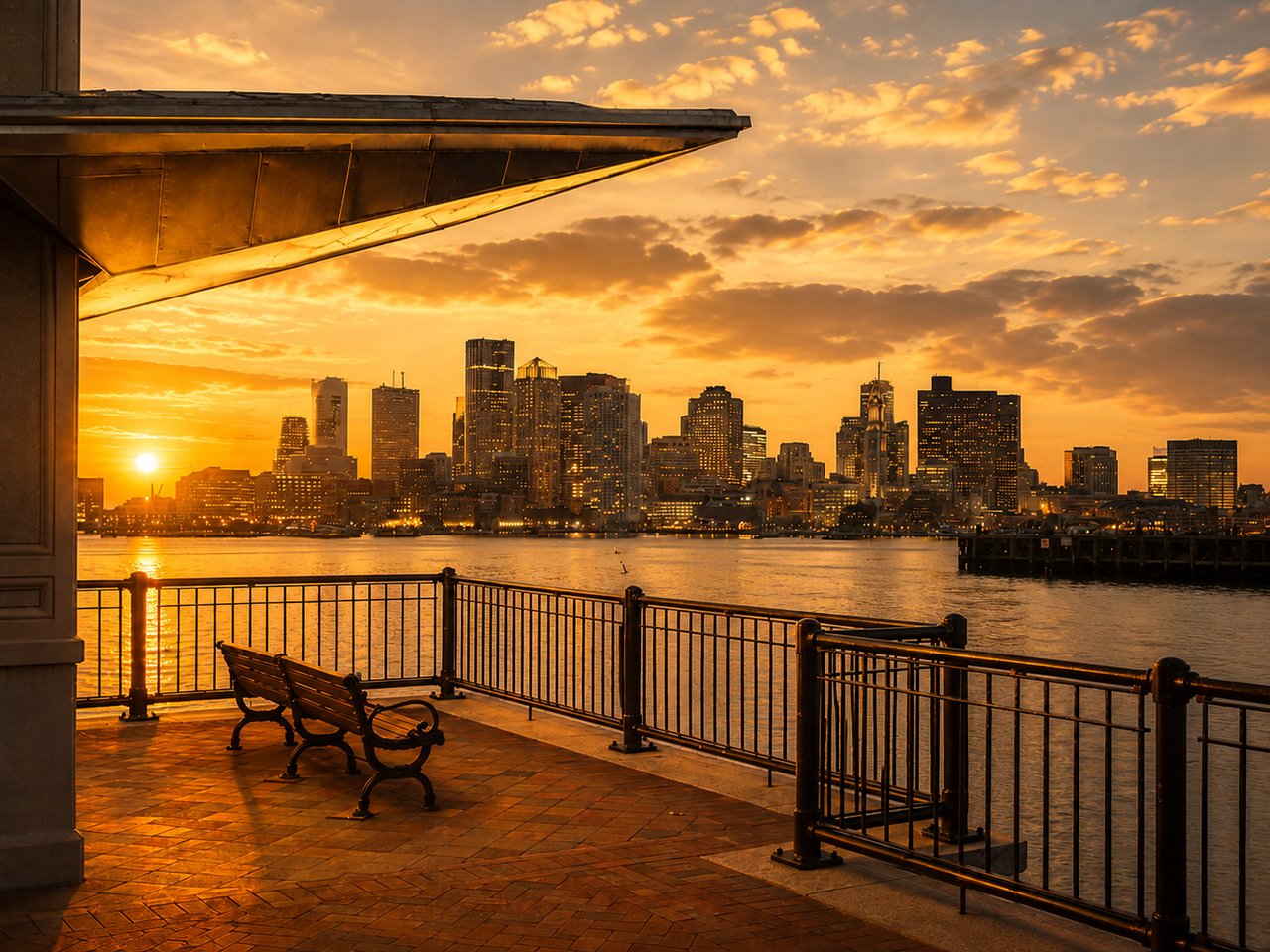
The Seaport has become a high-energy dining hub with patios and harbor views. Because new openings land frequently, the scene can change quickly. It pairs easily with the ICA and a walk along Fan Pier, especially on nights with public events.
South End restaurants and SoWa synergy
The South End mixes casual neighborhood favorites with chef-driven spots and tasting-menu destinations. Many locals pair a gallery visit in SoWa with a late dinner nearby. For updated picks across price points, review Eater’s South End restaurant map.
North End and Chinatown
The North End is Boston’s historic Italian district with compact streets, daytime pastry stops, and dinner destinations that stay lively on weekends. Adjacent Chinatown concentrates pan-Asian dining, late-night options, and regular festival activity. Both are walkable and close to downtown transit and parks.
Jamaica Plain favorites
Centre Street and the areas near Jamaica Pond are where you will find JP’s independent cafes and restaurants. The neighborhood’s identity blends casual spots, immigrant-owned eateries, and easy access to green space. If daily outdoor time is part of your routine, JP’s location on the Emerald Necklace can be a strong fit.
Where to shop on weekends
Markets help structure Boston weekends, especially in cooler months.
- The Boston Public Market is a year-round indoor market focused on New England producers. It is reliable for winter weekends and quick weekday stops.
- Haymarket, near Government Center, operates Fridays and Saturdays with budget-friendly produce. Expect crowds and go early for the best selection.
- The SoWa Open Market (South End) runs Sundays in the warm months with art, makers, and food. Check dates on the SoWa site before you go.
- If you prefer neighborhood farmers markets, Mass Farmers Markets publishes seasonal listings across the city.
Parks and green space you will use often
Boston’s parks are woven into daily life. Two systems in particular help organize how locals run, walk, and unwind.
Emerald Necklace overview
The Emerald Necklace is a linked, Olmsted-designed chain of parks and parkways connecting Back Bay and the Public Garden to the Fens, Jamaica Pond, the Arnold Arboretum, and Franklin Park. The system covers roughly 1,100 acres and supports everything from morning runs to family picnics. For maps and stewardship details, start with the city’s Emerald Necklace overview.
Jamaica Pond’s 1.5-mile loop is a specific everyday favorite for walks and runs. The Arnold Arboretum offers year-round access to tree collections and long walking loops, with spring programming that draws extra visitors.
Charles River Esplanade
The Esplanade is a continuous riverfront path used for running, cycling, and sunset walks, anchored by the Hatch Memorial Shell. Boating programs and pop-up fitness keep the park active in warmer months. For music and seasonal programming, check the Esplanade Association’s GroundBeat page.
Rose Kennedy Greenway
Downtown, the Rose Kennedy Greenway is a linear park with public art, seasonal plantings, and food trucks that make weekday lunches or early-evening walks easy. Families gravitate to its carousel and open lawns during fair weather. Browse current installations and events on the Greenway Conservancy site.
Harbor and waterfront day trips
When you want a quick escape, locals look to the waterfront. The Boston Harbor Islands offer hiking, historic forts, and picnic beaches a short ferry ride from downtown. Schedules are seasonal, so verify ferry times and island access before planning a day trip.
Sample weekend plans to try
Use these plug-and-play outlines to see how neighborhoods connect.
-
Classic art and Back Bay stroll
- Morning coffee near Copley → late morning at the MFA or Gardner → afternoon walk through the Public Garden → dinner on Newbury Street → nightcap and a show in the Theatre District.
-
South End arts and dining
- Late brunch in the South End → SoWa galleries or Open Market on Sunday → quick neighborhood shopping → chef-driven dinner nearby.
-
Seaport views and contemporary art
- Harbor walk in the late afternoon → evening program at the ICA → patio dinner along Fan Pier.
-
Family day near the river
- Morning at the Museum of Science → picnic and playground time on the Esplanade → early dinner in the North End.
-
Green-space Sunday
- Long run or walk on the Emerald Necklace → browse a farmers market or Boston Public Market → low-key dinner in Jamaica Plain.
If you are deciding where to live
Match your routine to a neighborhood’s rhythm. Each area has trade-offs in rent, transit, and daily convenience, so focus on the experiences you will use every week.
- South End and SoWa: Regular gallery culture, the SoWa Open Market in warm months, and a deep bench of restaurants within walking distance.
- Fenway and Back Bay: Easy access to the MFA and Gardner, Newbury Street shops and cafes, and quick connections to the Public Garden and Esplanade.
- Jamaica Plain: Independent restaurants and cafes, daily green-space access via the Emerald Necklace, and neighborhood-scale parks like Jamaica Pond.
- Seaport: Waterfront dining, event-driven energy, and ICA programs, with frequent new restaurant openings.
- North End and Chinatown: Compact, walkable corridors with concentrated dining and late-night options, close to downtown parks and markets.
When you are ready to explore these neighborhoods in person or plan a move, partner with a local advisor who lives and works in this rhythm every day. If you want a second opinion on where to focus or what a move might cost, our team is here to help. Connect with Prism Real Estate Group to start planning your next step.
FAQs
When does the SoWa Open Market run?
- The open-air market typically operates on Sundays during the warm months; always check the SoWa site for the current season and dates.
Which Boston parks are best for a long run?
- Locals rely on the Charles River Esplanade’s riverfront paths and the Emerald Necklace’s linked park system, including loops around Jamaica Pond.
What are good weeknight arts options in Boston?
- Museum programs at the MFA and ICA, plus theatre nights in the Theatre District and Symphony Hall performances, create dependable evening choices; confirm dates on official calendars.
Where can you find indoor markets in winter?
- The Boston Public Market operates year-round with New England producers, making it a reliable stop during colder months.
How do I choose a Boston neighborhood based on lifestyle?
- If you want galleries and a weekly open market, look at the South End; for museum access and Back Bay strolls, consider Fenway/Back Bay; for easy green space, explore Jamaica Plain; for frequent dining and nightlife, try the Seaport or North End, keeping in mind each area’s trade-offs.
It's your vision. Let's make it reality.