Wondering how to choose the right Boston neighborhood when almost every area seems to offer something different? If you are relocating here, that decision can feel overwhelming fast, especially when your daily routine, commute, housing goals, and budget all intersect. The good news is that you do not need to know every block of the city to make a smart move. You just need a clear way to narrow your options. Let’s dive in.
Start With Daily Life
When you relocate to Boston, your neighborhood choice is often less about reputation and more about how you want to live day to day. Boston has a wide range of housing types, commute patterns, and neighborhood layouts, so the best fit usually comes down to practical priorities.
According to Boston at a Glance 2025, the city had 318,477 housing units, with 59.8% renter-occupied and 32.8% owner-occupied. The same report shows that 24.5% of workers used public transit, 14.9% walked, and 19.0% worked from home. That tells you something important: in Boston, where you live can shape how you move through the city every single day.
Think About Your Commute First
Your commute can quickly define whether a neighborhood feels convenient or frustrating. Among Boston workers who did not work from home, 39.9% had commutes between 30 and 59 minutes, and 10.5% had commutes of 60 minutes or more, according to Boston at a Glance 2025.
If you are relocating for work, start by asking how car-free you want to be and how often you need to get into Downtown, Longwood, the Seaport, or another major job center. Once you answer that, your shortlist usually becomes much easier to build.
Central Boston Options
If you want a mostly car-light lifestyle, central neighborhoods may be the easiest place to start. Back Bay, Beacon Hill, South End, Bay Village, Downtown, and Chinatown all offer close access to the urban core, walkable streets, and proximity to major destinations, based on Boston Planning neighborhood profiles.
These neighborhoods can work well if you value being close to offices, restaurants, shopping, and public transit connections. They also tend to suit buyers and renters who want to rely more on walking and transit than on driving.
Transit-Oriented Residential Areas
If you want a more residential setting with strong transit access, Jamaica Plain, Roslindale, and West Roxbury deserve a close look. Jamaica Plain’s profile notes access to the Southwest Corridor, MBTA trains, and buses, with Forest Hills serving as a major transit hub.
Roslindale and West Roxbury both connect through the Needham commuter rail line and MBTA bus service. These neighborhoods can make sense if you want a little more separation from the busiest parts of the city while still keeping a workable commute.
Waterfront and Airport Access
If you want waterfront access or easy airport connections, East Boston, South Boston, and Charlestown may stand out. The East Boston neighborhood profile highlights access by Blue Line, ferry, tunnels, and surface roads, along with Logan Airport.
South Boston offers access to Downtown plus beaches and waterfront parks, while Charlestown combines closeness to Downtown with the Navy Yard and waterfront housing. If your work includes travel or you simply want harbor access to be part of daily life, this group is worth comparing.
Match the Neighborhood to Your Home Type
One of the biggest relocation mistakes is assuming all Boston housing looks the same. It does not. Citywide, 33.5% of units have 0 to 1 bedrooms, 34.0% have 2 bedrooms, and 32.4% have 3 or more bedrooms, according to Boston at a Glance 2025.
That broad mix means your ideal neighborhood should also reflect the type of home you actually want to buy or rent. If you know you want a condo, row house, triple-decker, or single-family home, use that preference early in your search.
Neighborhoods With Distinct Housing Styles
Several Boston neighborhoods have especially clear housing identities:
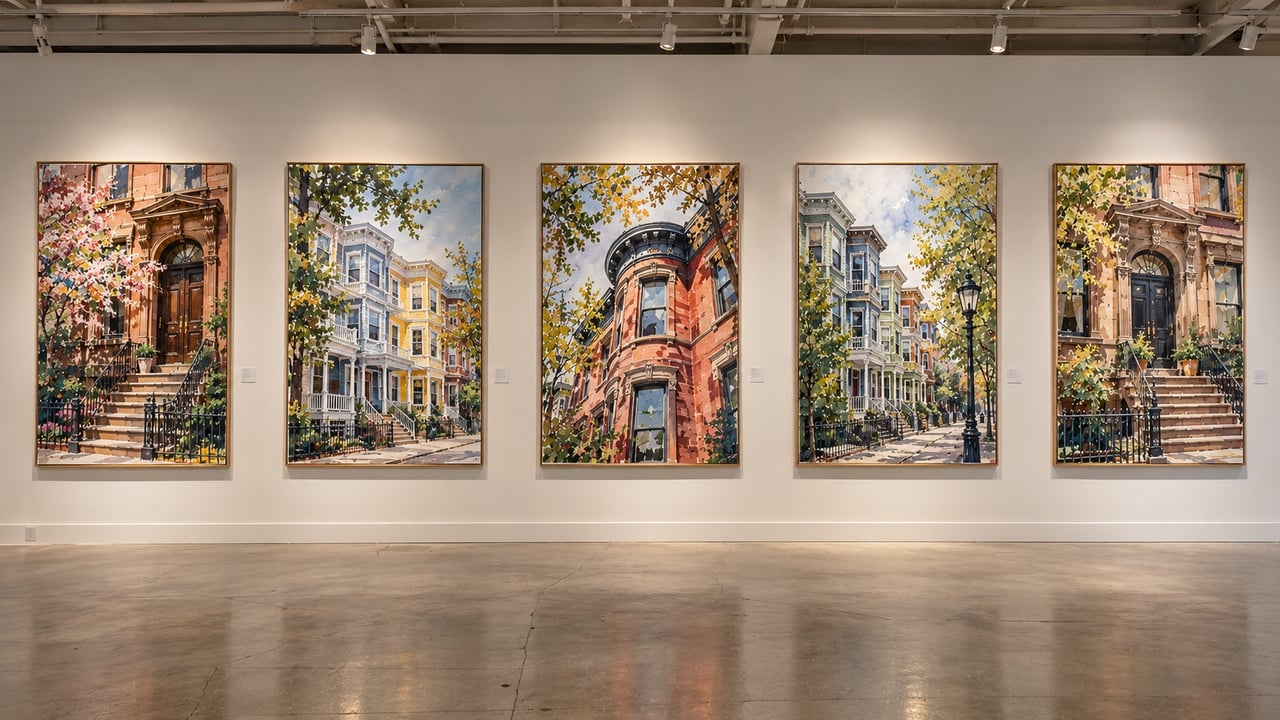
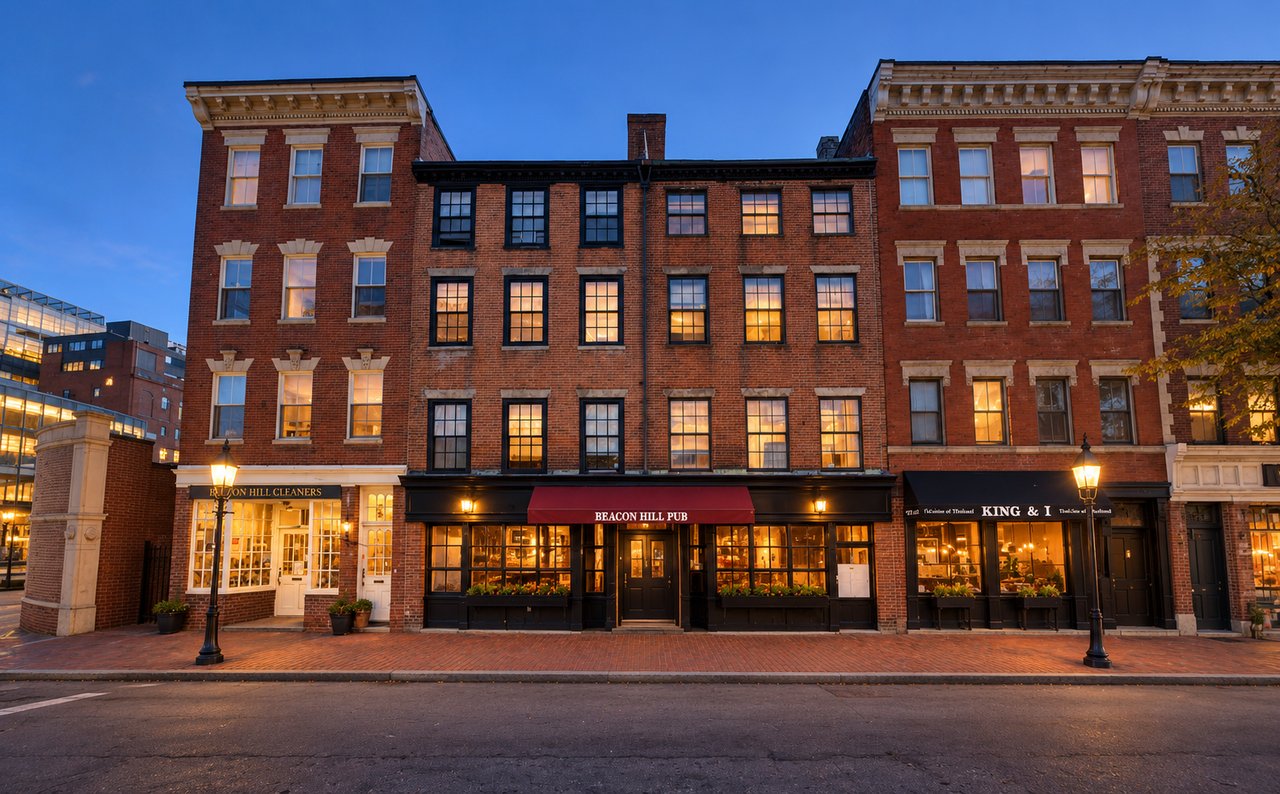
- Back Bay is known for historic row houses, brick sidewalks, and dense commercial streets, according to the Back Bay profile.
- South End includes Victorian townhouses, historic brick townhomes, and publicly funded housing, based on the South End profile.
- Charlestown offers brick and wood row houses, public housing, and newer waterfront condominiums and apartments, according to the Charlestown profile.
- Roslindale mixes single-family homes, triple-deckers, and small apartment buildings, based on the Roslindale at-a-glance page.
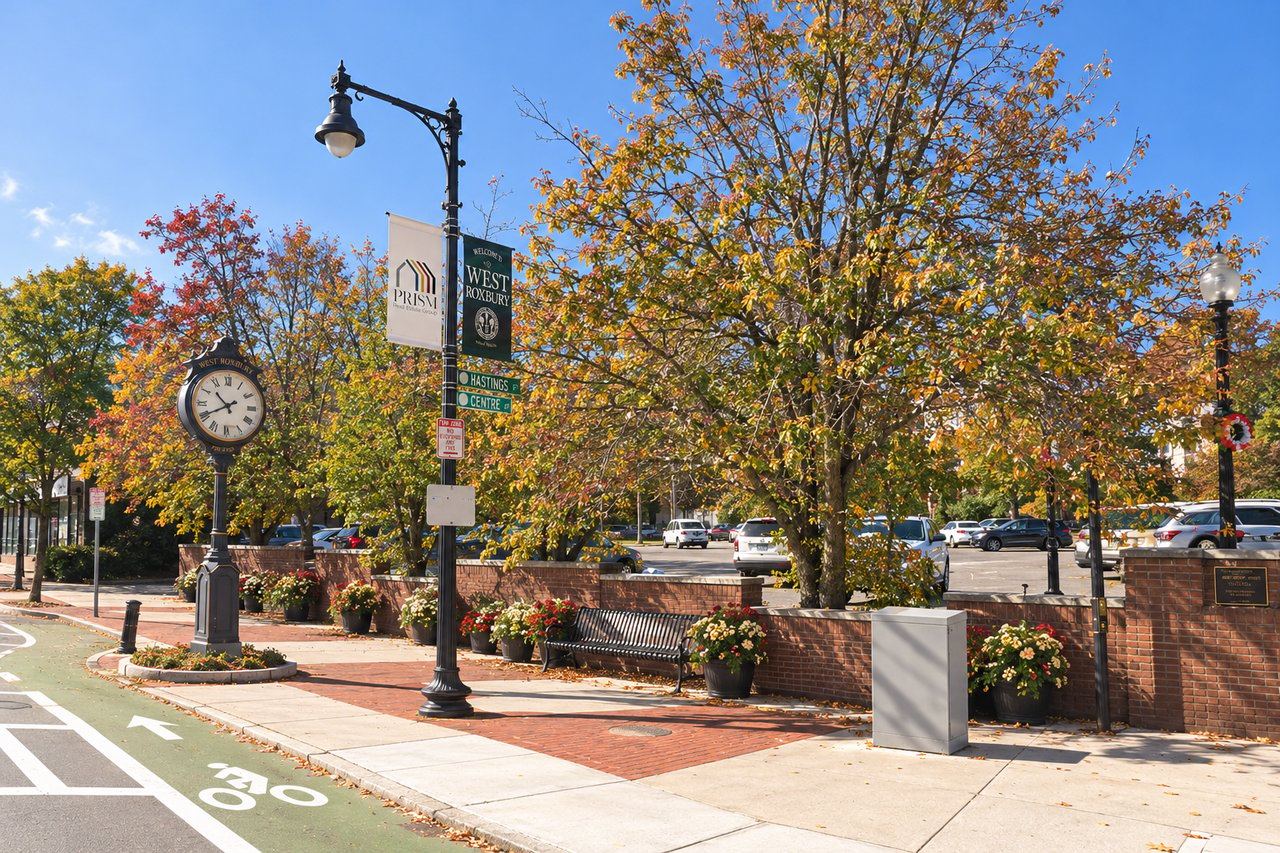
- West Roxbury is characterized by tree-lined streets and single-family homes, according to the West Roxbury profile.
- Jamaica Plain is known for colorful triple-decker streets, while Downtown ranges from historic apartment buildings to modern glass towers, based on the Jamaica Plain profile.
If you picture yourself in a classic townhouse or a walk-up condo, your shortlist may look very different from someone hoping for a detached home with more outdoor space. Getting clear on that early can save you time.
Use Lifestyle Clusters to Narrow Choices
A smart way to compare Boston neighborhoods is to group them by lifestyle rather than trying to evaluate all of them individually. This can help you focus on how each area may support your routine.
Historic and Walkable Core
Back Bay, Beacon Hill, South End, Bay Village, Downtown, and Chinatown fit a more historic, walkable, urban-core lifestyle. These areas are tied together by dense housing, strong access to the center of the city, and active commercial corridors, according to Boston Planning’s neighborhood materials.
If you want a live-near-everything environment, this group is a logical place to start. It may especially appeal to buyers and renters who prioritize walkability and convenience over larger home footprints.
Greener Residential Areas
Jamaica Plain, Roslindale, and West Roxbury lean more residential and green. Jamaica Plain’s neighborhood profile highlights access to Jamaica Pond and the Arnold Arboretum, while Roslindale borders the Arboretum and West Roxbury includes large open-space assets such as Millennium Park and Stony Brook Reservation.
If parks, quieter streets, and a more house-oriented feel matter to you, these neighborhoods often rise to the top. They can also be a strong fit for buyers who want to stay within Boston while exploring homes with a different rhythm than the urban core.
Waterfront Living
East Boston, South Boston, and Charlestown form a useful waterfront cluster. These neighborhoods combine access to the harbor with close-in city living, though each one offers that in a different way.
If your ideal Boston move includes harbor views, beaches, ferries, or waterfront parks, this group can help you focus quickly. It is a practical filter for anyone who wants water access without leaving the city.
Broad Housing and Cultural Mix
Dorchester often deserves its own category. The Dorchester neighborhood profile describes it as Boston’s largest neighborhood and one of its most racially diverse, with multiple sub-neighborhoods and commercial corridors.
That scale and variety can be helpful if you want a broader range of housing and a wider set of neighborhood experiences to compare. It is often worth approaching Dorchester as several micro-areas rather than trying to treat it as one single market.
Budget Matters More Than Citywide Averages
Boston is not one uniform housing market, and relocation buyers often feel that right away. A citywide average rarely tells the full story of what you will find from one neighborhood to the next.
For buyers who need to align neighborhood choice with affordability programs, Boston’s inventory of income-restricted housing is an important factor. The City’s 2025 inventory reports 59,439 income-restricted units, or 19.3% of Boston’s housing stock, and the distribution varies widely by area according to the City of Boston income-restricted housing report.
Where Affordability Varies
The same city assessment shows different shares of income-restricted housing across neighborhoods, including South End/Lower Roxbury at 46%, Roxbury at 44%, Charlestown at 25%, Jamaica Plain at 25%, East Boston at 16%, Dorchester at 12%, Roslindale at 10%, Back Bay/Beacon Hill at 7%, and West Roxbury at 4%.
If you are a first-time buyer or working within a tighter budget, these differences can shape where you focus your search. Boston’s official Metrolist housing platform is the city’s primary tool for income-restricted rental and homeownership opportunities, and eligibility is based on area median income.
Treat Schools as a Separate Decision
If you are relocating with children, it is natural to ask which neighborhood is best for schools. In Boston, it is important to separate those two decisions.
According to Boston Public Schools, the district uses a home-based assignment model for K-8. Each family’s list includes schools within one mile of the home plus other nearby high-quality schools, while all high schools remain citywide options.
What That Means for Your Search
This system means your neighborhood is one part of the school process, not the entire answer. Boston Public Schools reports 119 schools and 48,593 students, so if schools are a major priority, you will want to review your assignment options separately from the housing search itself.
Neighborhood data can still provide useful context. Roslindale has 65% family households and 19% of the population enrolled in PreK-12, East Boston has 52.6% family households, Charlestown has the city’s highest share of residents under age 10 at 12%, and West Roxbury offers a more suburban street pattern with significant open space, according to neighborhood profiles from Boston Planning.
Questions to Ask Before You Choose
When you are down to a few neighborhood options, ask yourself:
- How car-free do you want to live?
- How often do you need to get to Downtown, Longwood, the Seaport, or Logan?
- What kind of home do you want most: condo, row house, triple-decker, or single-family?
- How important are parks, waterfront access, or a village-style commercial center?
- Do you need to research school assignment options as a separate step?
These questions can bring clarity quickly. In a city as layered as Boston, the best neighborhood is usually the one that supports your actual routine, not the one that sounds best on paper.
A Practical Way to Make the Final Choice
If you are relocating to Boston, try narrowing your search in this order: commute, housing type, budget, and lifestyle. That sequence tends to keep the process grounded in how you will really use your home and neighborhood.
Boston offers everything from historic urban-core living to greener residential areas and waterfront neighborhoods with strong transit links. If you want help comparing options with both local insight and data-driven guidance, Prism Real Estate Group can help you evaluate neighborhoods, housing choices, and market fit with confidence.
FAQs
How do I choose the best Boston neighborhood for my commute?
- Start by mapping how often you need to reach places like Downtown, Longwood, the Seaport, or Logan, then compare neighborhoods by transit, walkability, and travel time.
What Boston neighborhoods are best for a car-light lifestyle?
- Central neighborhoods like Back Bay, Beacon Hill, South End, Bay Village, Downtown, and Chinatown are strong places to start if you want to rely more on walking and transit.
What types of homes can I expect in different Boston neighborhoods?
- Boston housing varies widely, from row houses in Back Bay and Charlestown to triple-deckers in Jamaica Plain and Roslindale to single-family homes in West Roxbury.
Should I choose a Boston neighborhood based on schools alone?
- No. In Boston Public Schools, neighborhood is only one factor because K-8 assignment is home-based and high schools are citywide options.
Where can I search for income-restricted housing in Boston?
- Boston’s official Metrolist platform is the city’s main search tool for income-restricted rental and homeownership opportunities.
Which Boston neighborhoods may appeal if I want more green space?
- Jamaica Plain, Roslindale, and West Roxbury are useful places to compare if parks, open space, and a more residential feel are high on your list.
It's your vision. Let's make it reality.