Looking for Boston city living without giving up daily access to green space? Life along the Emerald Necklace offers a rare mix of park-centered routines, walkable streets, and neighborhood variety. If you are thinking about buying or selling near this iconic corridor, understanding how each stretch lives day to day can help you find the right fit. Let’s dive in.
.
What the Emerald Necklace Really Is
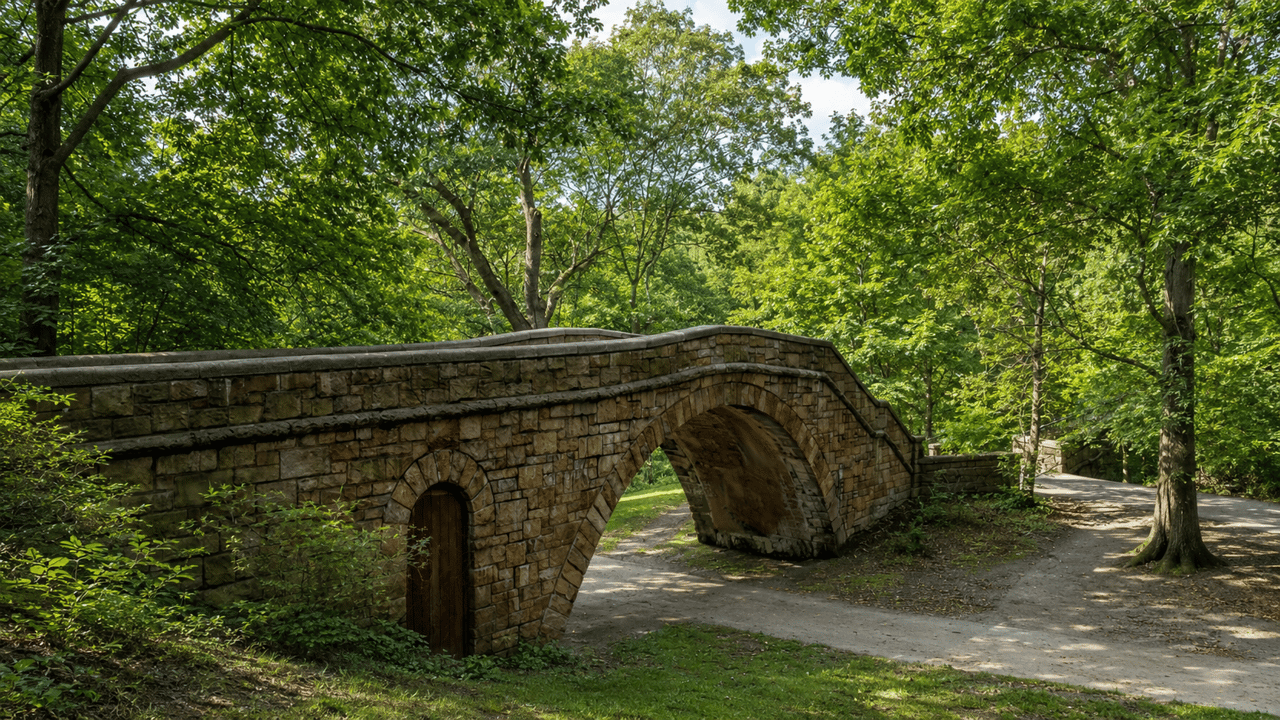
The Emerald Necklace is not one park. It is a connected system of parks and parkways stretching from Back Bay through Brookline and into Dorchester, with major destinations that include the Back Bay Fens, Riverway, Olmsted Park, Jamaica Pond, Arnold Arboretum, and Franklin Park.
That connected layout shapes how the area feels to live in. Instead of treating green space as a special outing, you are more likely to experience it as part of your regular routine, whether that means a morning walk, a bike ride, or time by the water after work.
The Emerald Necklace Conservancy describes the system as a backdrop for more than one million visitors a year. Boston park resources also highlight everyday activities here, including running, biking, rowing, sailing, fishing, birdwatching, softball, and community gardening.
.
Why Daily Life Feels Different Here
Along the Emerald Necklace, shared outdoor space often plays a bigger role than private yard space. That tradeoff appeals to many Boston buyers because it can mean easier access to long paths, historic landscapes, and active public parks right outside your door.
The rhythm of daily life can feel especially appealing if you value movement and convenience. A typical day might include a loop around Jamaica Pond or the Fens, a bus or T ride to work, and an easy walk to dinner, a museum, or a neighborhood business later in the evening.
That does not mean every section feels the same. One of the biggest strengths of the Emerald Necklace corridor is that it gives you several distinct neighborhood experiences within one connected landscape.
.
.
Jamaica Plain: Residential and Green
Jamaica Plain, often called JP, is one of the most residential parts of the Emerald Necklace corridor. The City of Boston describes it as a classic streetcar suburb, and the neighborhood’s mix of village centers helps explain why it feels walkable while still offering different pockets of activity and character.
Those village centers include Hyde Square, Jackson Square, Centre and South, Egleston Square, Forest Hills, and Jamaica Hills. For buyers, that means Jamaica Plain is not one-note. Different blocks can offer different rhythms, from busier commercial stretches to quieter residential streets.
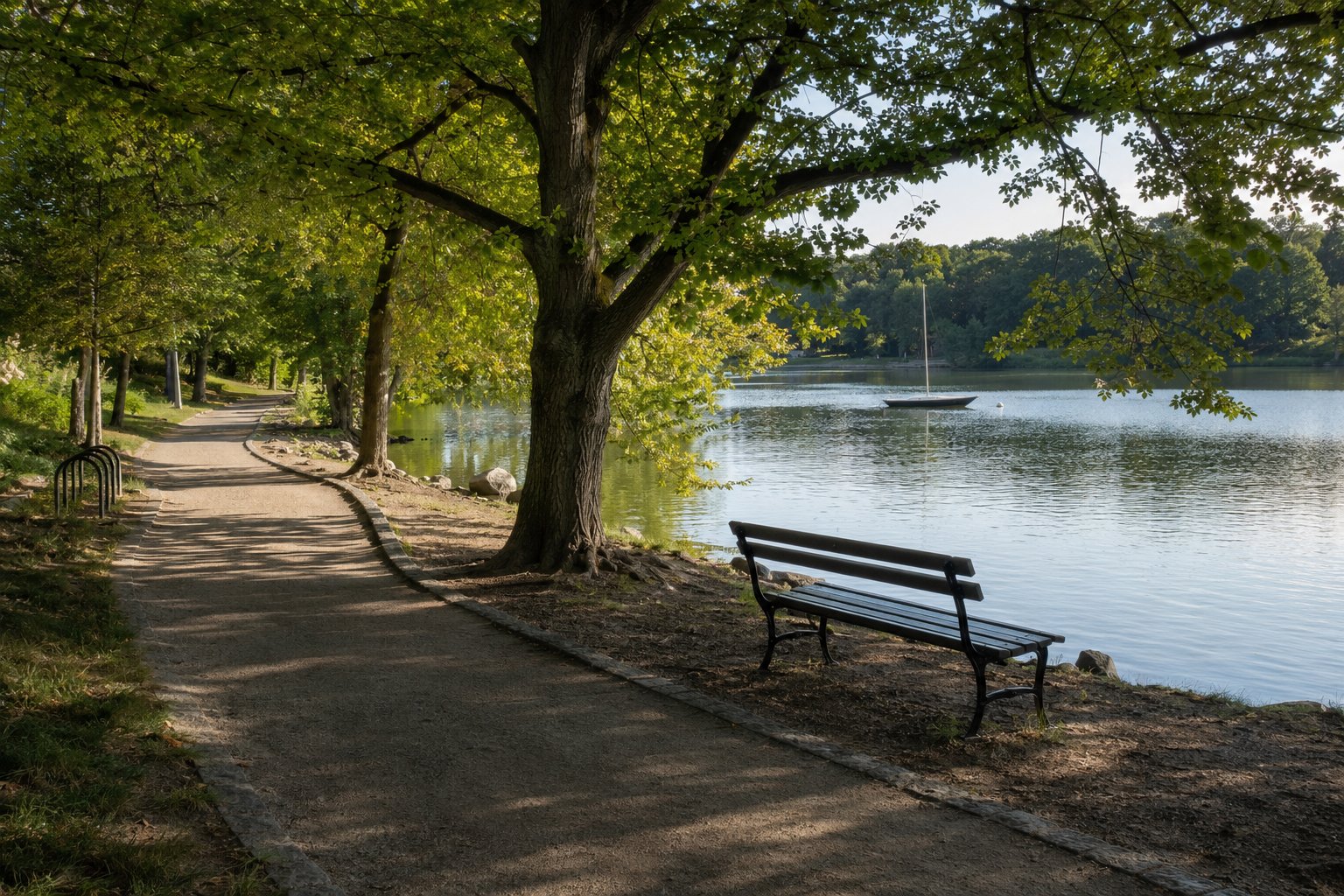
Green space is central to life here. Boston places Jamaica Plain alongside Jamaica Pond, Arnold Arboretum, Franklin Park, and the broader Emerald Necklace, and the city highlights concerts, children’s programs, theater performances, rowing, sailing, fishing, running, and biking at Jamaica Pond.
Transportation is also a major part of the neighborhood story. The city’s Centre and South Streets planning work focuses on the corridor between Hyde Square and Forest Hills Station, notes some of Boston’s first on-street bike lanes on Centre Street, and identifies Route 39 as a high-ridership bus route.
From a housing perspective, Jamaica Plain offers more variety than some northern stretches of the Necklace. Boston sales data shows a mix of one-family, two-family, three-family, and condo sales, which can create options for buyers looking at different budgets, household needs, or ownership goals.
.
Mission Hill: Dense and Transit-Oriented
Mission Hill offers a more urban, transit-linked version of Emerald Necklace living. Boston says the neighborhood sits about one mile from downtown, and its housing mix includes new condos, brick row houses, and triple-decker homes.
The built environment is a big part of Mission Hill’s identity. A Boston Landmarks Commission study describes the Mission Hill Triangle as a substantially intact late-19th-century brick rowhouse district, with details that include brownstone, sandstone, and marble facing.
Day-to-day movement here is shaped by transit and street access. The city is working with the MBTA on accessible Green Line E-Branch boarding from Brigham Circle to Heath Street, while other local transportation efforts focus on safer walking, biking, and transit connections near Jackson Square, Roxbury Crossing, and the Southwest Corridor Park.
For some buyers, Mission Hill works well because it balances access and character. You get close-in Boston living with strong links to transit and nearby employment centers, plus housing stock that feels distinctly local rather than generic.
.
Fenway-Kenmore: Active and Institution-Linked
Fenway-Kenmore has a different energy from the more residential southern stretches of the Necklace. Boston highlights major institutions and destinations here, including Fenway Park, the Museum of Fine Arts, Symphony Hall, Boston Latin School, and several higher-education campuses.
The Back Bay Fens is the green heart of this section. Boston describes the park as home to community gardens, the Kelleher Rose Garden, ball fields, bird habitat, war memorials, and the Fenway Victory Gardens, which are the nation’s last remaining original victory gardens from World War II.
This stretch tends to feel more active, dense, and connected to student and institutional life. Buyers looking here should expect a housing pattern that leans heavily toward condos and apartments rather than the broader mix you see farther south.
The city is also investing in transportation connections here. Planned improvements such as Fenway Path and Boylston Street upgrades are intended to strengthen bicycle, pedestrian, and transit links between the Emerald Necklace, Lansdowne Station, nearby jobs, and the Longwood Medical Area.
.
Back Bay: Historic and Urban
Back Bay forms the Emerald Necklace’s historic northern edge. The neighborhood combines city living, historic architecture, and strong access to shops, restaurants, and transit within one of Boston’s best-known built environments.
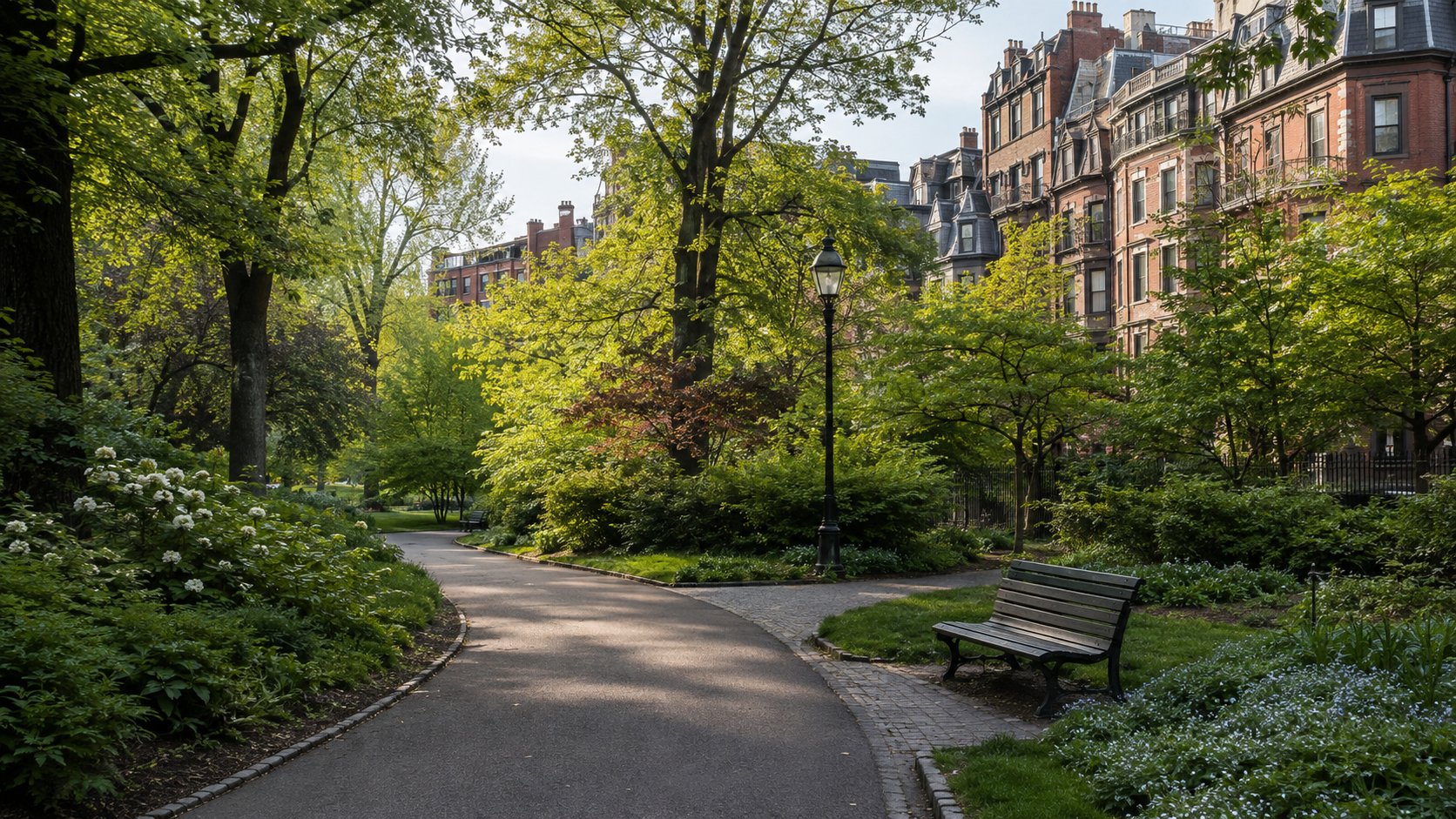
Boston describes Back Bay as an early planned fashionable residential district, and the neighborhood remains closely shaped by that legacy. Streets such as Newbury, Boylston, and Commonwealth are central to the area’s identity, blending residential, retail, and commercial activity.
For buyers, one important practical point is historic district oversight. The Back Bay Architectural District requires review and approval for changes to visible exterior features, so ownership can involve preservation rules beyond standard zoning.
Housing here is also more condo-centered than in Jamaica Plain or Mission Hill. If you are drawn to classic architecture, walkability, and a dense urban setting, that tradeoff may feel worthwhile.
.
Housing Along the Corridor
One of the clearest patterns along the Emerald Necklace is a north-to-south housing shift. As you move toward Fenway and Back Bay, the housing story becomes more condo- and apartment-focused.
As you move farther south into Mission Hill and Jamaica Plain, you see more of Boston’s traditional housing types. That includes row houses, triple-deckers, smaller multi-family homes, and a broader mix of ownership options.
For buyers, this matters because lifestyle and housing type are closely linked here. If you want a denser urban experience with easy access to major institutions and central transit hubs, the northern stretches may appeal more. If you want a stronger residential feel with direct park access and more varied housing stock, the southern stretches may stand out.
.
Getting Around Without a Car
Many people considering the Emerald Necklace ask whether a car is necessary. In many cases, not always. Across Jamaica Plain, Mission Hill, Fenway, and Back Bay, city planning materials repeatedly emphasize walking, biking, buses, and rail access.
That said, local transportation plans also point to real challenges, including congestion, parking pressure, sidewalk limitations, and incomplete biking connections in some areas. In other words, the corridor supports multimodal living, but your exact experience will depend on which neighborhood and even which street you choose.
This is where block-by-block guidance matters. Two homes may both be marketed as near the Emerald Necklace, but one may have a much easier walk to transit, a quieter park edge, or a more seamless bike connection than the other.
.
What Buyers Should Weigh
If you are shopping along the Emerald Necklace, it helps to focus on how you want your daily routine to feel. Think beyond square footage and ask how often you will actually use the park system, how you prefer to commute, and whether you want a denser urban setting or a more residential one.
A few practical questions can help narrow your search:
- Do you want condo living, or are you hoping for a two-family, three-family, or rowhouse option?
- Is your routine more transit-based, bike-based, or car-based?
- Would you rather live near a village-style commercial area or a denser institutional district?
- Are historic district rules a concern if you plan to make exterior updates?
- Do you want your green space to feel like a quiet pond, an active park, or a connected path system?
These details often shape satisfaction more than broad neighborhood labels do. The best match is usually the one that supports your real daily habits.
.
.
Why Local Guidance Matters Here
The Emerald Necklace corridor is one of those Boston areas where small location differences can have a big impact. Park access, transit connections, housing type, street feel, and historic oversight can shift quickly from one section to the next.
If you are buying, selling, or evaluating an investment along this corridor, local context matters. A boutique team with neighborhood knowledge and strong valuation discipline can help you compare not just listings, but also the lifestyle and long-term value tied to each micro-location.
If you are thinking about your next move near the Emerald Necklace, Prism Real Estate Group can help you evaluate the market with local insight, careful pricing guidance, and a personalized strategy.
.
FAQs
What is the Emerald Necklace in Boston?
- The Emerald Necklace is a connected system of parks and parkways that includes the Back Bay Fens, Riverway, Olmsted Park, Jamaica Pond, Arnold Arboretum, and Franklin Park.
.
What is daily life like near Boston’s Emerald Necklace?
- Daily life often includes regular access to walking paths, biking routes, water activities, gardens, and nearby transit, making green space part of your normal routine rather than a weekend-only destination.
.
Which Emerald Necklace neighborhood feels most residential?
- Jamaica Plain is the clearest example of a residential, park-centered neighborhood along the corridor, with multiple village centers and a broad mix of housing types.
.
What housing types are common along the Emerald Necklace?
- Housing varies by area, but Jamaica Plain and Mission Hill tend to offer a broader mix that can include condos, row houses, triple-deckers, and smaller multi-family homes, while Fenway and Back Bay are more condo-focused.
.
Do you need a car to live near the Emerald Necklace?
- Not always, because the corridor has strong connections to walking, biking, buses, and rail, though your experience will depend on the specific neighborhood and street.
.
What should buyers know about Back Bay historic rules?
- In Back Bay, changes to visible exterior features are subject to review by the Back Bay Architectural District Commission, which adds preservation requirements beyond standard zoning.
.
.
.