Trying to choose between Jamaica Plain, the South End, and Back Bay? You are not alone. These three Boston neighborhoods can all put you close to the city, but they offer very different daily routines, housing styles, and neighborhood feel. If you are relocating, moving within Boston, or narrowing your search, this guide will help you compare what matters most so you can focus on the area that fits how you actually want to live. Let’s dive in.
Three neighborhoods, Three lifestyles
Boston’s neighborhood resources paint a clear picture of the differences between these areas. Jamaica Plain is the most park-centered and residential of the three. The South End is the most brownstone-heavy and street-life oriented. Back Bay is the most formally historic and centrally connected.
That simple framework can save you time. Instead of treating these neighborhoods like interchangeable Boston addresses, it helps to think about your day-to-day priorities first. Do you want more green space, more restaurant energy, or the easiest access to transit and central city destinations?
Jamaica Plain at a glance
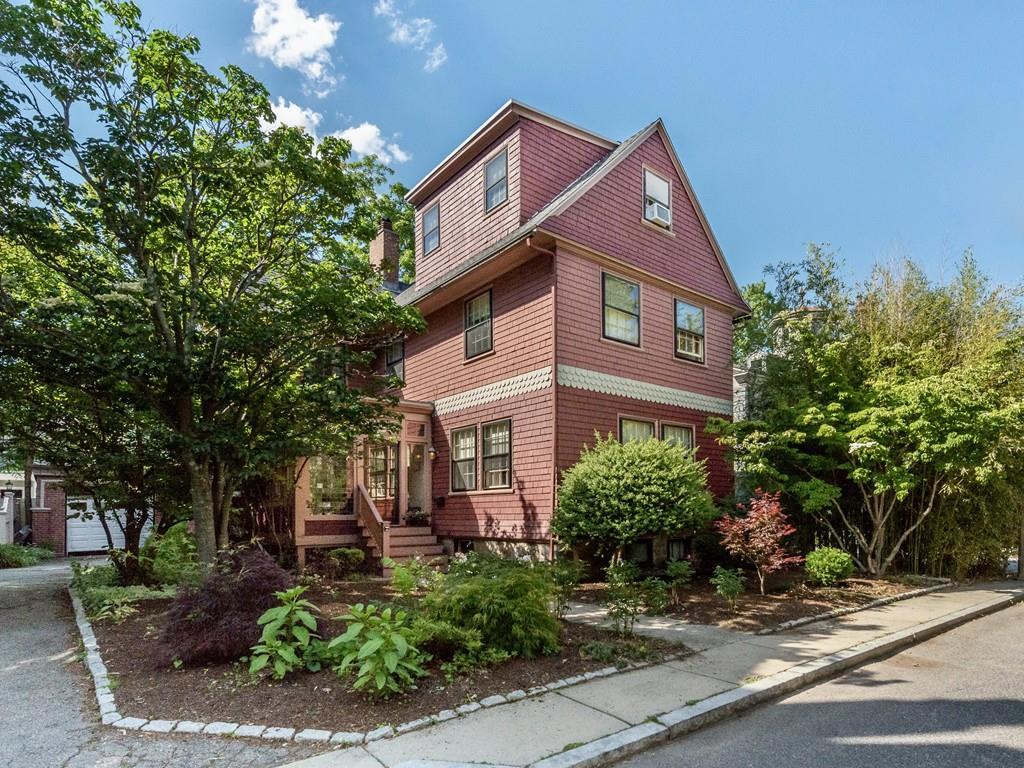
Jamaica Plain, often called JP, offers a more varied neighborhood experience. Boston describes it as a classic streetcar suburb, and that shows up in both its layout and housing stock. You will find a mix of home styles, multiple business districts, and pockets that can feel quite different from one another.
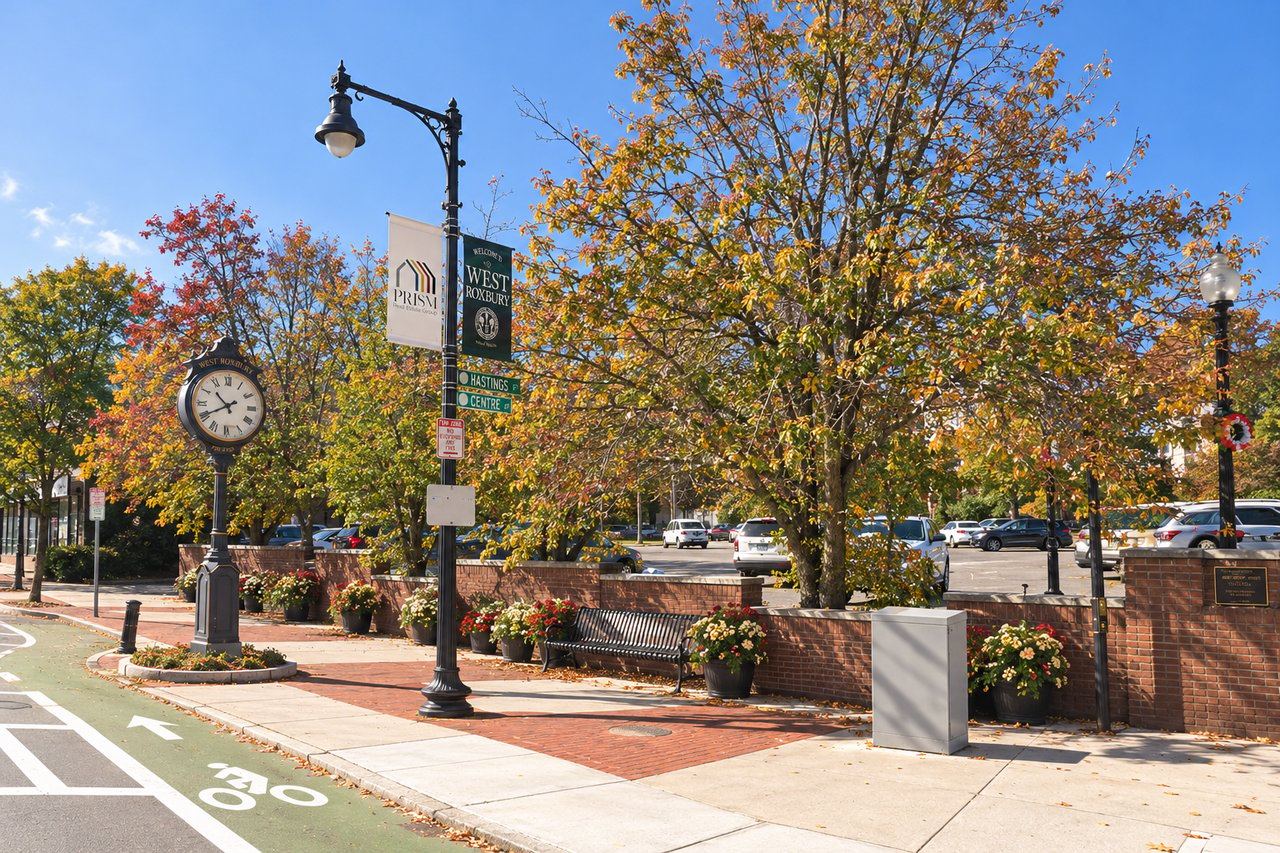
JP includes areas like Hyde Square, Jackson Square, Centre/South, Egleston Square, and Forest Hills. That means your experience can change depending on where you land. Some parts feel more village-like and residential, while others put you closer to busier corridors and transit connections.
Housing in Jamaica Plain
If you want housing variety, JP stands out. City materials identify the neighborhood as one of Boston’s places with many triple-decker homes, and it is less uniform than either the South End or Back Bay. For buyers, that can mean a broader mix of layouts, building types, and streetscapes.
This variety can be a real advantage if you want options beyond a classic brownstone rowhouse. It also means block-by-block research matters. Two homes in Jamaica Plain can offer very different surroundings, even if they are only a short distance apart.
Parks and open space in Jamaica Plain
Jamaica Plain has the strongest large-park identity of the three neighborhoods. Boston notes that JP is surrounded by the Emerald Necklace, Arnold Arboretum, Franklin Park, and Jamaica Pond. The Arnold Arboretum spans 281 acres, and Jamaica Pond supports rowing, sailing, fishing, running, and biking.
If you picture your routine including long walks, outdoor workouts, or easy access to larger open space, JP is the strongest match. It feels greener and more landscape-connected than the South End or Back Bay. For many buyers, that one factor quickly moves it to the top of the list.
Walkability and transit in Jamaica Plain
JP can be walkable, but it is more location-specific than the other two neighborhoods. Current Walk Score examples range from 66 at 100 South Huntington Avenue to 82 at 69 Woodlawn Street. That tells you walkability can vary quite a bit depending on the exact address.
Transit access also tends to be strongest along key corridors. The city’s Centre/South transportation planning highlights the Hyde Square-to-Forest Hills corridor and identifies Route 39 as a major bus route. If you are aiming for a car-light lifestyle in JP, your exact location matters more here than it does in the South End or Back Bay.
South End at a glance
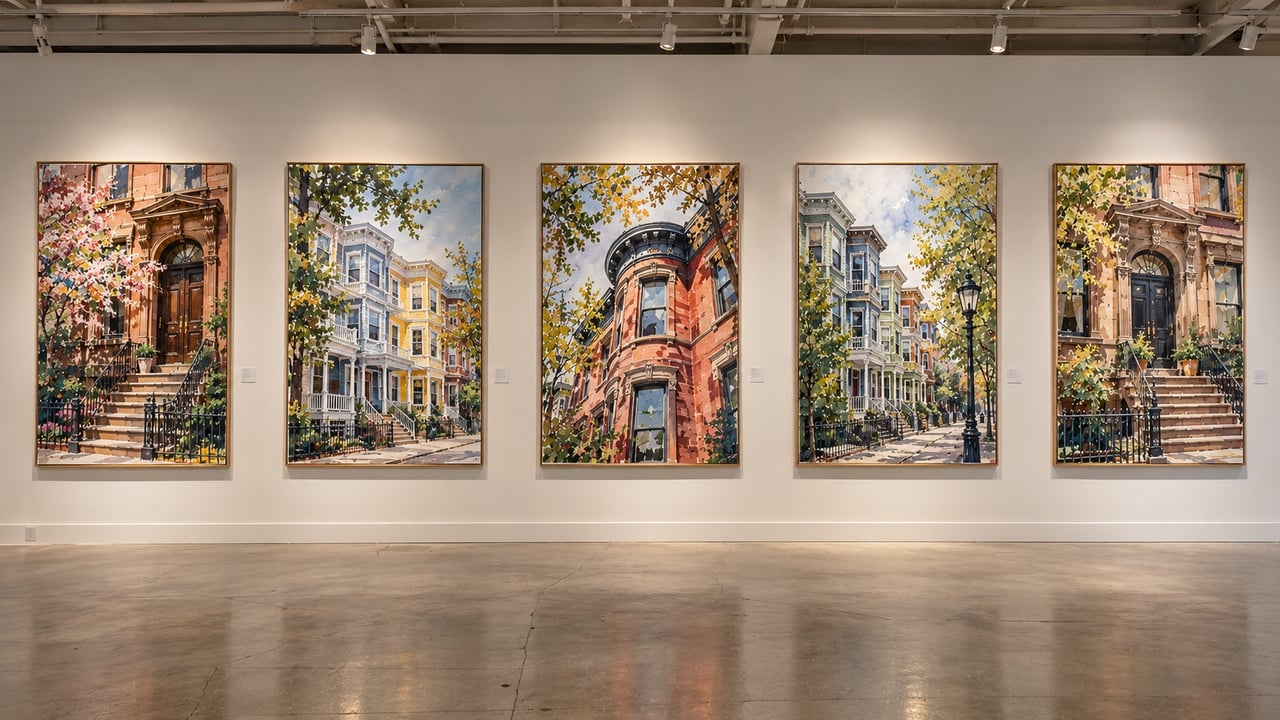
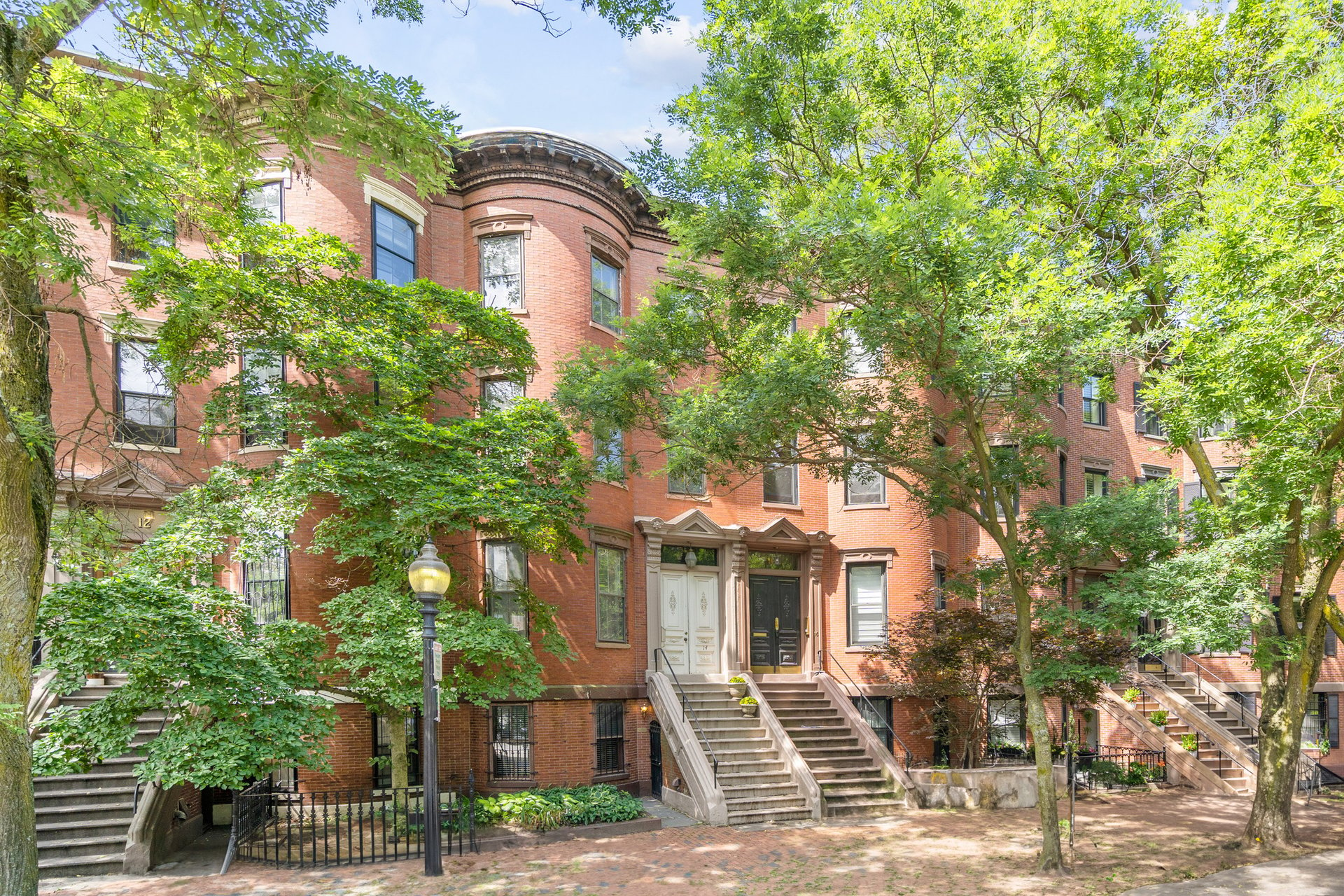
The South End is Boston’s classic rowhouse neighborhood. It is known for its Victorian brownstones, active streets, and strong mix of dining, arts, and urban energy. If you want a dense city experience with historic architecture all around you, the South End makes a strong case.
It also offers one of the clearest neighborhood identities in Boston. Compared with JP’s variation, the South End feels more visually consistent. For buyers who want that unmistakable brownstone setting, this neighborhood often lands at the top of the shortlist.
Housing in the South End
The South End is the largest intact Victorian row house district in the country, according to Boston’s transportation fact book and landmark district materials. Nineteenth-century townhouses are the dominant housing form. That makes the South End the strongest fit if your search starts with “classic Boston brownstone.”
The historic character here is a major part of the appeal. It also means the neighborhood has a strong architectural fabric that feels cohesive from block to block. If visual consistency and historic streetscapes matter to you, the South End delivers that in a big way.
Lifestyle in the South End
The South End’s lifestyle is tied closely to street-level activity. Boston highlights its arts community, Restaurant Row, boutique-lined streets, and SoWa Open Markets. That creates a neighborhood rhythm built around walking out your door and having a lot happening nearby.
Green space here is present, but it shows up differently than in JP. Boston notes that the South End has nearly 30 parks, including Blackstone and Franklin Parks, plus many squares, playgrounds, and smaller open spaces. In other words, the South End is more of a pocket-park neighborhood than a large-park neighborhood.
Walkability and transit in the South End
The South End is one of Boston’s most walkable neighborhoods. Walk Score lists it at 97, with a Transit Score of 93. That supports what many buyers are looking for: an area where errands, dining, and commuting can often happen without relying heavily on a car.
Boston also says Washington Street through the South End carries more than 24,000 MBTA bus riders a day and is served by Silver Line routes 4 and 5, along with other bus routes. For everyday convenience, that is a strong setup. If no-car or low-car living is high on your priority list, the South End performs very well.

Back Bay at a glance
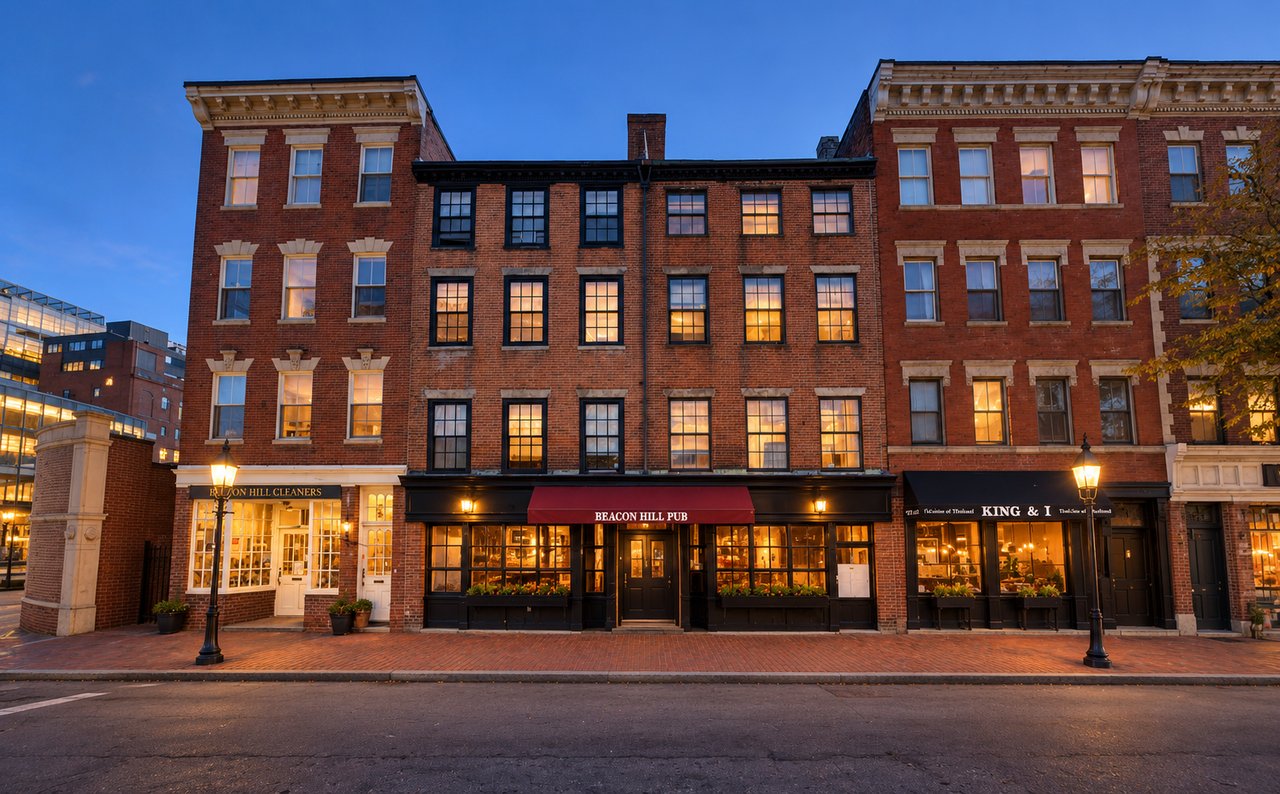
Back Bay offers a more polished version of historic Boston living. It is famous for its formal planning, iconic architecture, and highly connected location. If you want a neighborhood that feels central, refined, and easy to navigate without a car, Back Bay is hard to overlook.
Compared with the South End, Back Bay feels more uniform and more curated. Compared with Jamaica Plain, it feels more urban and more tightly tied to regional transit. For buyers who want a historic district with a strong sense of order and centrality, Back Bay often stands apart.
Housing in Back Bay
Back Bay was created on filled land and planned in part with Parisian design ideas in mind. Boston’s architectural district materials note that its blocks show the evolution of American architecture from the late nineteenth into the early twentieth century. The result is a neighborhood with a very distinct and highly recognizable visual identity.
For buyers, that often translates to a strong sense of place and architectural prestige. It is historic, but it is also more formally planned than the South End. If you are drawn to classic facades, elegant streets, and a more uniform historic environment, Back Bay may feel like the most natural fit.
Lifestyle in Back Bay
Back Bay’s public realm feels polished and edge-defined. The Commonwealth Avenue Mall provides a 32-acre green spine connecting the Public Garden to the broader Olmsted park system. The Charles River Esplanade adds major riverfront open space nearby, giving the neighborhood a different type of outdoor access than the larger park network around JP.
Daily life here is also shaped by its retail and street environment. Boston highlights the Newbury, Boylston, and Commonwealth spine, and pedestrian-friendly Open Newbury days reinforce that walkable central-city feel. If you want a neighborhood that blends historic architecture with a polished urban backdrop, Back Bay stands out.
Walkability and transit in Back Bay
Back Bay matches the South End for walkability and exceeds it slightly for transit access. Walk Score lists Back Bay at 97, with a Transit Score of 96. That makes it one of the easiest places in Boston for a leave-the-car-at-home routine.
Boston points to access from Arlington, Copley, and Hynes on the Green Line, plus Back Bay Station for the Orange Line, commuter rail, and Amtrak. That level of connectivity matters if you commute, travel frequently, or just want easy mobility in all directions. Among the three neighborhoods, Back Bay appears to offer the most seamless central access.

How to choose the right fit
The best neighborhood is usually the one that matches your routine, not just your wish list. If you want larger parks, more housing variety, and a more neighborhood-scaled feel, Jamaica Plain is likely your strongest match. If you want brownstones, restaurant density, and a highly walkable city lifestyle, the South End deserves a close look.
If your priorities are polished historic surroundings, major transit access, and a central location, Back Bay may rise to the top. None of these neighborhoods is better in a universal sense. The right answer depends on how you want your mornings, evenings, weekends, and commute to feel.
A practical note on historic review
If you are buying with renovation plans in mind, this is an important detail. Back Bay and the South End both have formal historic district review for certain exterior changes. In Back Bay, proposed exterior work must be approved before work begins.
In the South End, review applies to front facades, visible roof work, and certain side or rear elevations that face a public way. If you are considering windows, facade work, roof decks, or other visible updates, these rules can affect your timeline and planning. That does not mean you should avoid these neighborhoods, but it does mean you should go in with clear expectations.
The bottom line
If you want one simple takeaway, here it is: Jamaica Plain is green and neighborhood-scaled, the South End is brownstone-dense and street-driven, and Back Bay is polished, historic, and transit-maxed. That is the clearest way to separate them when you are deciding where to focus your search.
At Prism, we believe the right move starts with matching the property to your actual lifestyle, then backing that up with strong market insight and pricing discipline. If you are comparing Boston neighborhoods and want thoughtful, local guidance, Prism Real Estate Group can help you narrow the options with confidence.
FAQs
How is Jamaica Plain different from the South End and Back Bay?
- Jamaica Plain is the most park-centered and residential of the three, with more housing variety and multiple business districts.
Is the South End or Back Bay more walkable?
- Both are highly walkable at a Walk Score of 97, while Back Bay has a slightly higher Transit Score at 96 compared with the South End’s 93.
Which Boston neighborhood has the most green space access?
- Jamaica Plain has the strongest large-park identity, with access to the Emerald Necklace, Arnold Arboretum, Franklin Park, and Jamaica Pond.
Which neighborhood is best for classic Boston brownstones?
- The South End is the clearest match if you want a dense brownstone setting, with nineteenth-century townhouses as the dominant housing form.
What should buyers know about historic district rules in Back Bay and the South End?
- Buyers planning visible exterior changes should know that both neighborhoods have formal review processes for certain exterior work, which can affect renovation planning and timing.
It's your vision. Let's make it reality.